
Have A Warm House In Omaha: 10 Tips From a Local HVAC Tech
Can I just keep my furnace running all the time to have a warm house? You could, but your furnace will wear out much faster than the manufacturer intended, meaning you'll have to replace it more often and pay extra. So, how can I keep the hot air in and the cold air out? Just as tiny holes in a bowl can let water leak out, tiny holes can let the water inside leak out. Similarly, small gaps around windows, doors, and other openings can let warm air escape and cold air seep inside.
After serving the greater Omaha area for more than 20 years, our technicians have learned about common winter heating concerns in local homes. We’ve answered 10 common questions about keeping your home warm this winter. You can handle some steps yourself, while others are best left to a professional.
1. How Do I Stop Cold Air Coming in Around My Doors?
Doors are the largest openings in your walls, aside from windows. Poor installation, worn seals, or age can create gaps that let cold air seep into your home. Your door is not properly sealed if:
- You can see sunlight around the edges or beneath the door.
- Place a dollar bill between the door and its frame, then close the door. If you can pull it out easily, the seal may be loose.
- Put your hand on the edges or bottom of the door and feel air flowing.
To seal these gaps, install weatherstripping around the door and a door sweep along the bottom. These can help prevent air from leaking around or beneath the door.
Difficulty: Easy | Cost: $
2. Should I Caulk To Maintain A Warm House?
Caulk seals gaps where two hard surfaces meet. Common areas that may need caulk include door trim, walls, tiled floors, baseboards, crown molding, bathtubs, sinks, and showers. If these areas aren’t properly sealed, air can move in or out through the gaps.
So, yes, it’s important to maintain the caulk in your home. Omaha’s temperature changes between winter and summer can affect caulk, so check the product’s temperature rating. Make sure it can withstand temperatures as low as 30°F and as high as 110°F. We’ve seen caulk crack easily and cause problems in Omaha homes. Apply caulk wherever needed, and replace any that is cracked.
Difficulty: Easy | Cost: $
3. How Are My Windows Drafty When They're Closed?
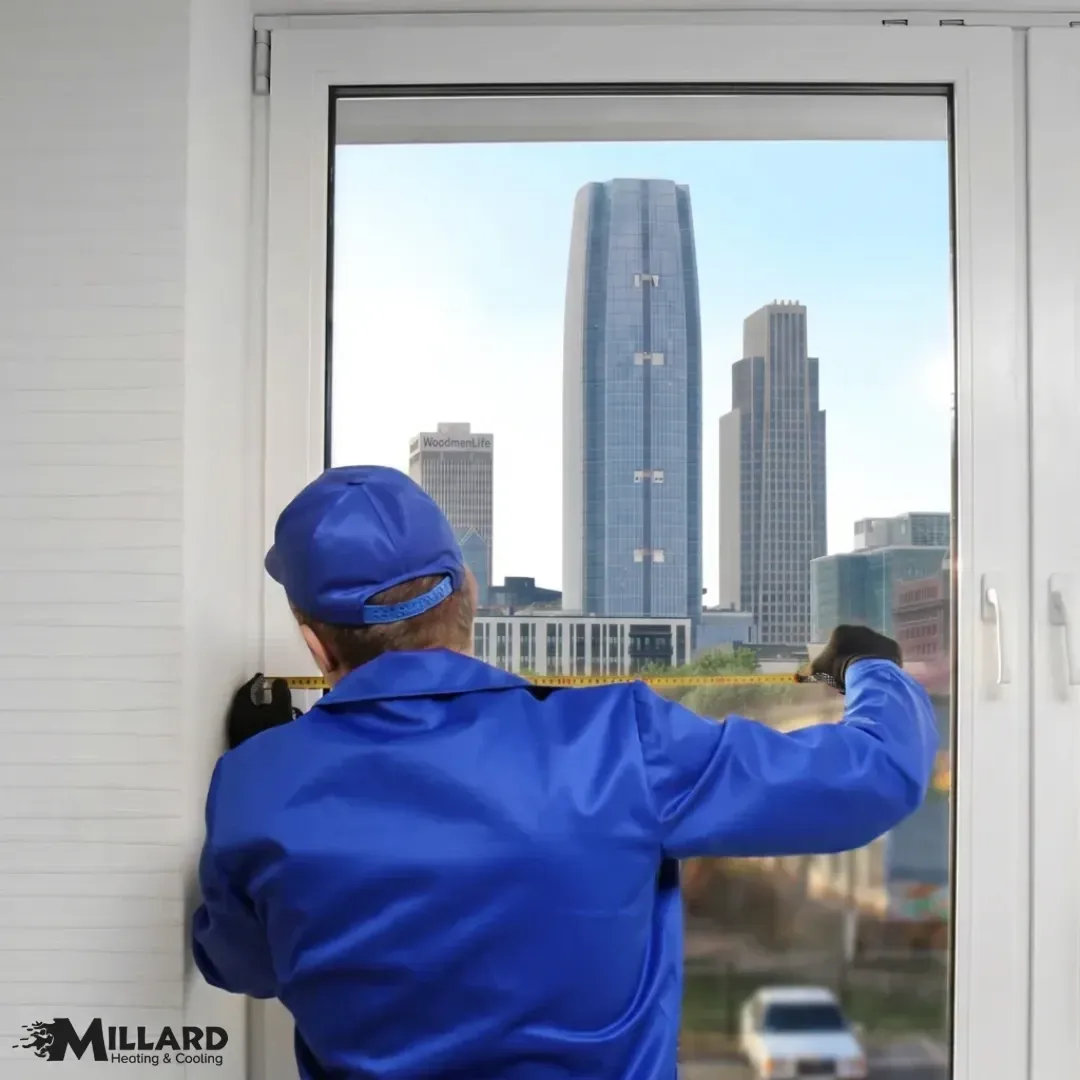
Here’s a quick explanation: A closed window should fit snugly where its movable panel meets the frame. This seal helps keep air from leaking between the panel and frame. Gaps can also form around the outside window frame, where it meets the wall. Properly installed trim and caulk help seal those gaps and keep drafts out.
This assumes the window itself is in good condition. Other possible problems include an old interior seal, loose latches, worn gaskets, or a thin pane of glass that provides little insulation.
Before getting completely new windows, try adding window film on the trim to create an extra air barrier. Also, make sure the caulking is fresh, and the trim is nailed or screwed snugly against the wall.
Difficulty: Easy to moderate | Cost: $
4. Should I Buy Thermal Curtains?
Thermal curtains act like a blanket over your windows, helping you maintain a warm house during cold weather. Even when tightly sealed, heat can still escape through the glass by conduction, moving from the warm inside to the cold outside. When thermal curtains cover the entire window, their insulating layers help retain warmth indoors.
To help maintain a warm house, open the curtains on south-facing windows during the day to let in free sunlight. Close them at dusk to help keep the warmth inside.
Difficulty: Easy | Cost: $
5. Does Cold Air Come Through Outlets In My Wall?
Yes. A wall may look like one solid structure, but it’s made up of many connected parts. Between the studs in your home is insulation. Some studs hold electrical boxes for light switches and outlets. Wires connect them to your home’s electrical system. Switches control lights, while outlets power your electronics. The space around an electrical box in an exterior wall may be poorly insulated. Gaps around the outlet can let warm air escape and cold air enter.
To help keep your warm house comfortable, install a foam gasket behind the cover plate to reduce drafts. These foam insulation pieces are sometimes called foam gaskets, outlet insulation, or socket sealers. Also, if there is a gap between the faceplate and the wall, consider getting a different faceplate that has a lip that will fit snugly against the wall.
Difficulty: Easy | Cost: $
6. What About the Holes Where Pipes and Wires Come In?
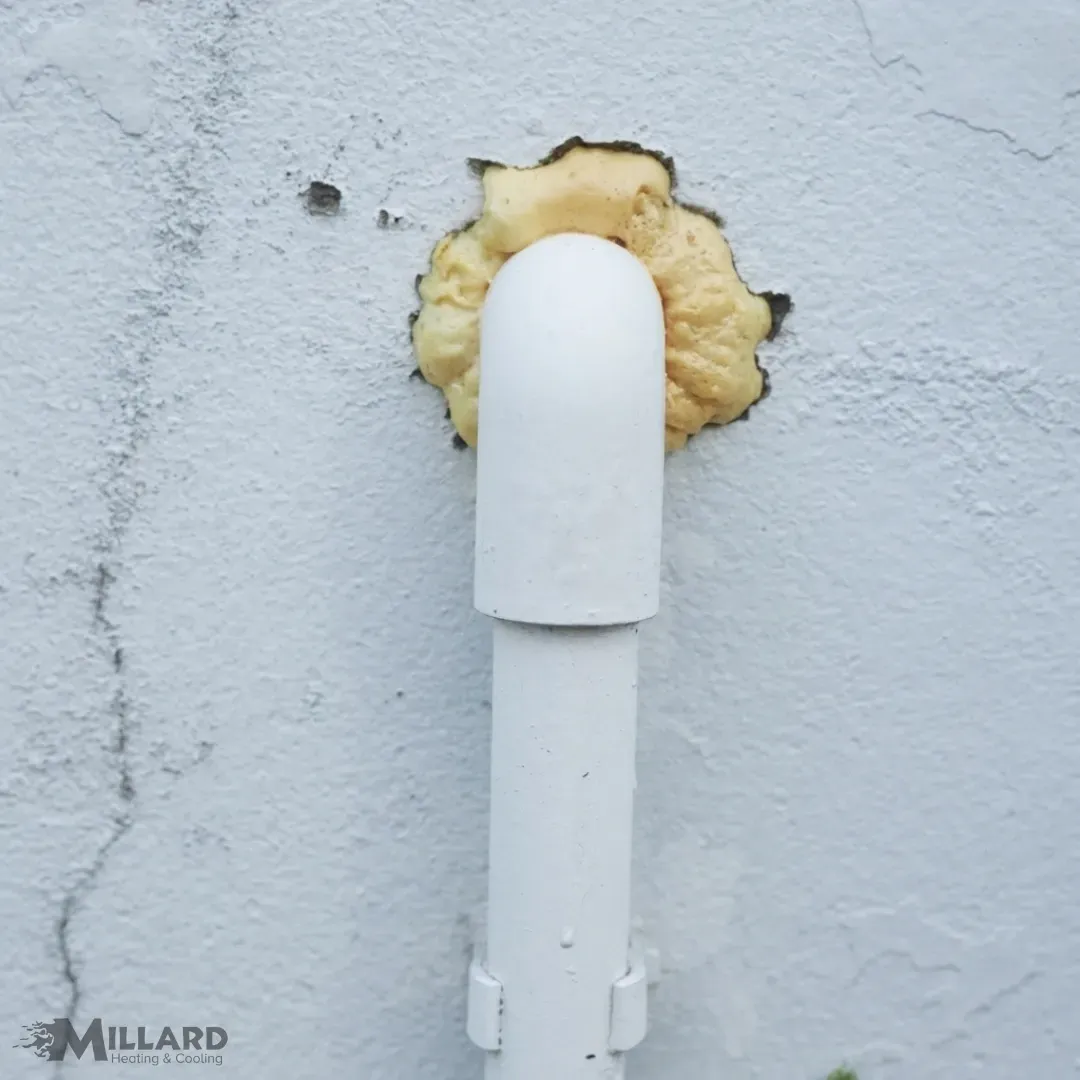
Another great question. Plumbing pipes and electrical conduits enter your home through openings in the walls. You can seal the gaps around them with expanding spray foam, silicone caulk, or another suitable sealant. Check the product label before using a sealant near a furnace or water heater, since products have different temperature ratings and uses.
Difficulty: Easy to moderate | Cost: $
7. Can Cold Air Come Through My Attic?
Even though most people don’t even look into their attic, there is a lot of airflow up there. The inside of an attic usually has insulation between the studs on the floor and constant airflow from the outside via vent registers. That open space is what separates the ceiling and the roof of your home. Unlike the interior walls of your home, there isn’t sheetrock on the other side of your ceiling to better seal in your ceiling.
During the winter months, the air up there is cold. As hot air rises and wants to seep through the cracks, cold air descends right into your home. To prevent the cold air from sinking into your home, make sure the attic hatch or access panel has the appropriate caulking, weatherstripping, and is snugly closed. Also, a good idea would be to check the insulation and see if there is a need to fill in the gaps or replace it with a higher-rated insulation.
All of Nebraska is in the Department of Energy’s Climate Zone 5A, which needs R-60 insulation for uninsulated attics or R-49 if your attic has 3-4 inches of insulation already, according to
Energy Star.
Difficulty: Moderate to pro | Cost: $$
8. Can Air Ducts Prevent Me From Having A Warm House?
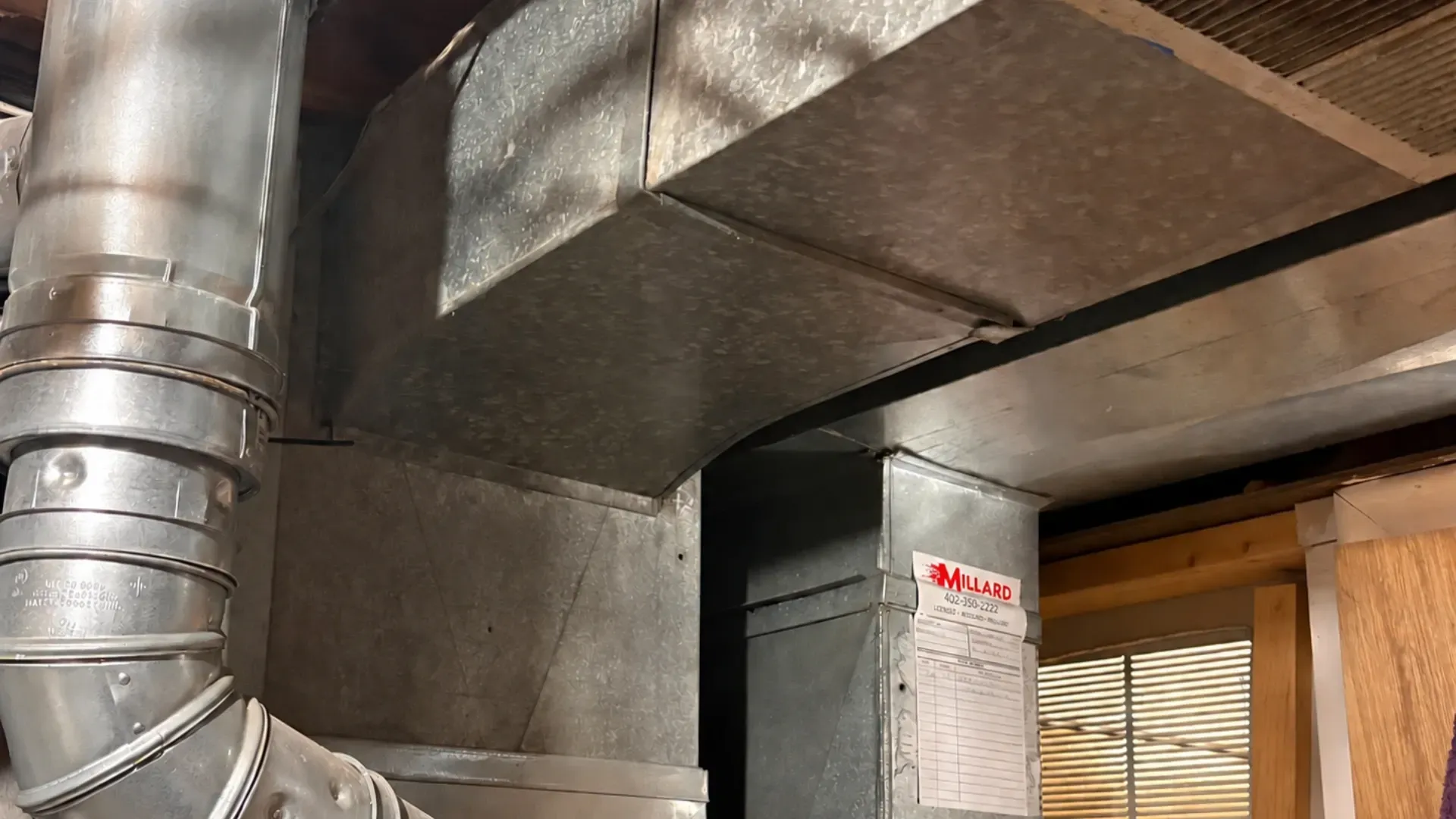
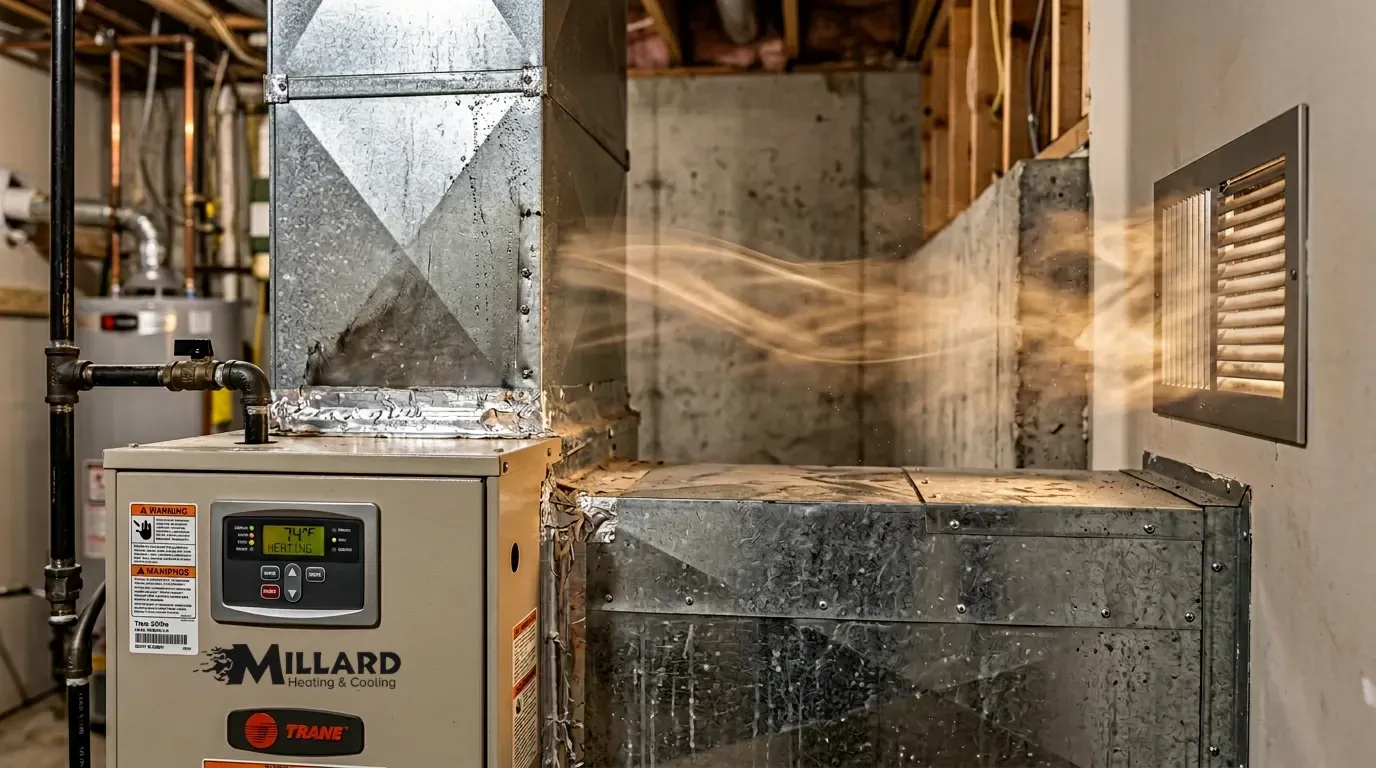
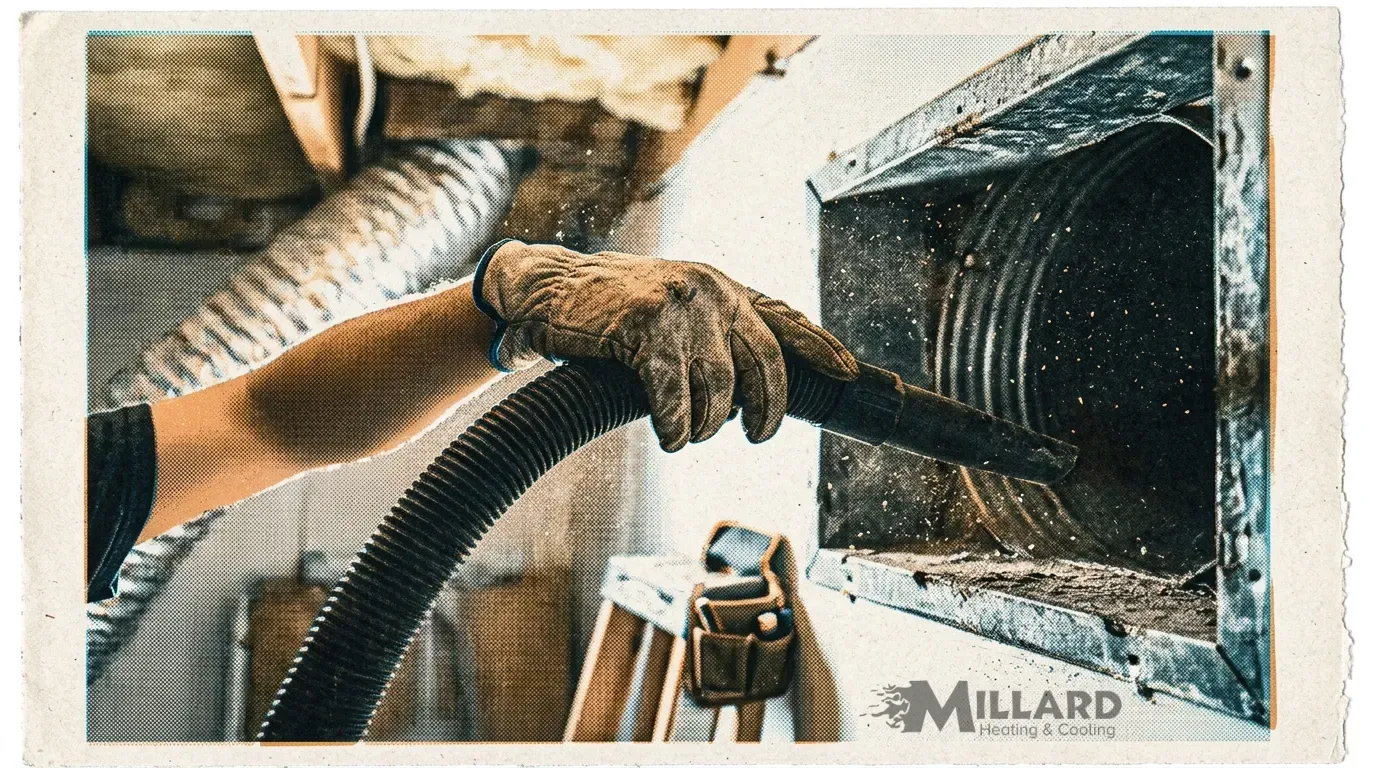
Your air ducts carry heated air from the furnace to each room, helping keep your home evenly warm. However, gaps or breaks in your ductwork can let heated air escape before it enters each room. In our blog "What To Know About HVAC Duct Repair”, we mention seven defects or types of damage in air ducts, including:
- Leak in a seam
- Hole in metal duct
- Flexible duct rip
- Disconnected air duct
- Crushed ductwork
- Sagging flex duct
- Damaged insulation
There are different remedies for fixing each of these problems, so consult with our HVAC technicians before looking into repairs, as different grades of materials and methods are needed to properly repair and address any issues.
Difficulty: Moderate to pro | Cost: $ to $$
9. Does My Garage Door Affect How Warm My House Is?
Think of your doors and windows as big holes in your walls. That is the fastest way for heat to escape from your home. The biggest hole is indeed a garage door. As heat moves from warm to cold, any warmer air behind that door will want to escape.
To prevent your warm house from becoming a freezing igloo, make sure the door from your home to your garage has a tight seal. This keeps the warm air in and harmful air pollutants out. Also, be sure to inspect the wall that is shared with the inside of your home and the garage. If the door is sealed, next look at other holes caused by damage, pipes, or where the wall and ceiling or floor meet.
Also, consider having a professional inspect your garage door. Proper installation and sealing can help keep cold air out..
Difficulty: Easy to moderate | Cost: $ to $$
10. Do I Need A Furnace Check If It’s Working Properly?
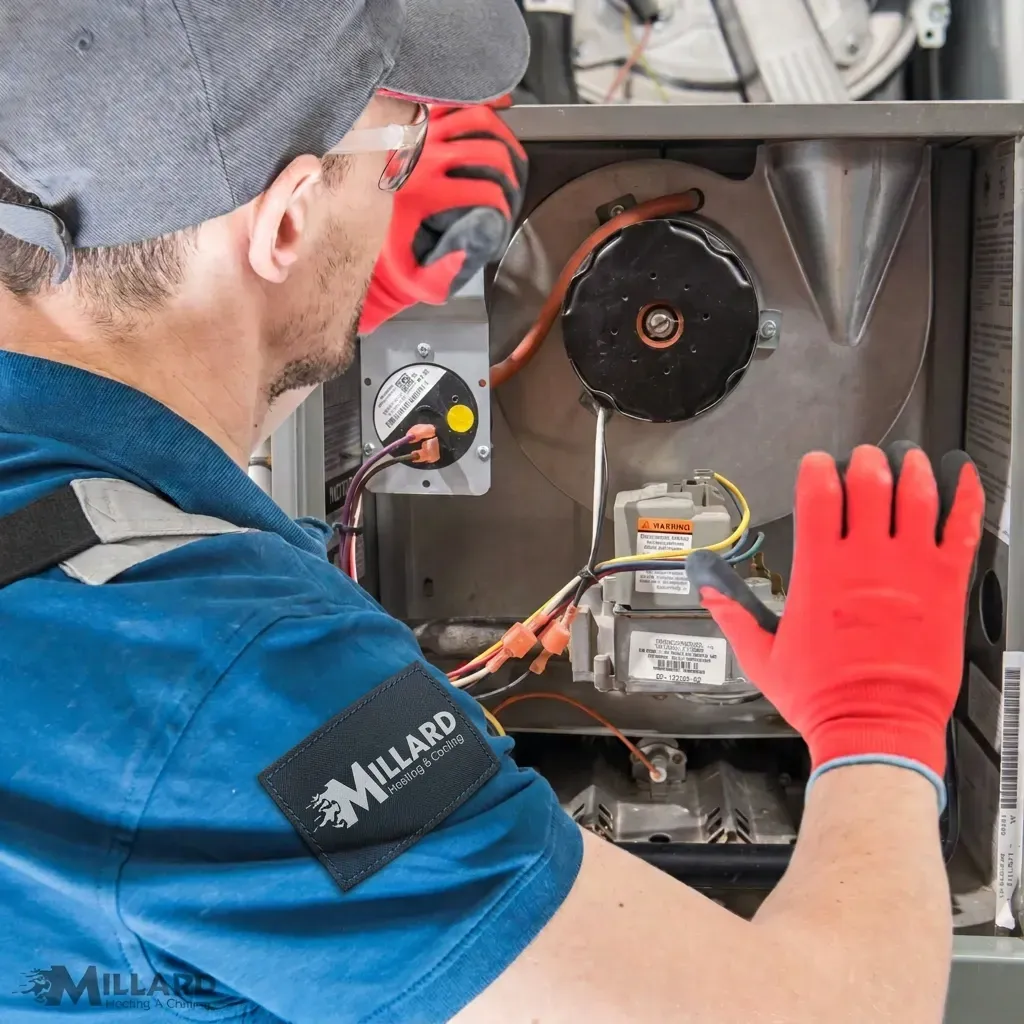
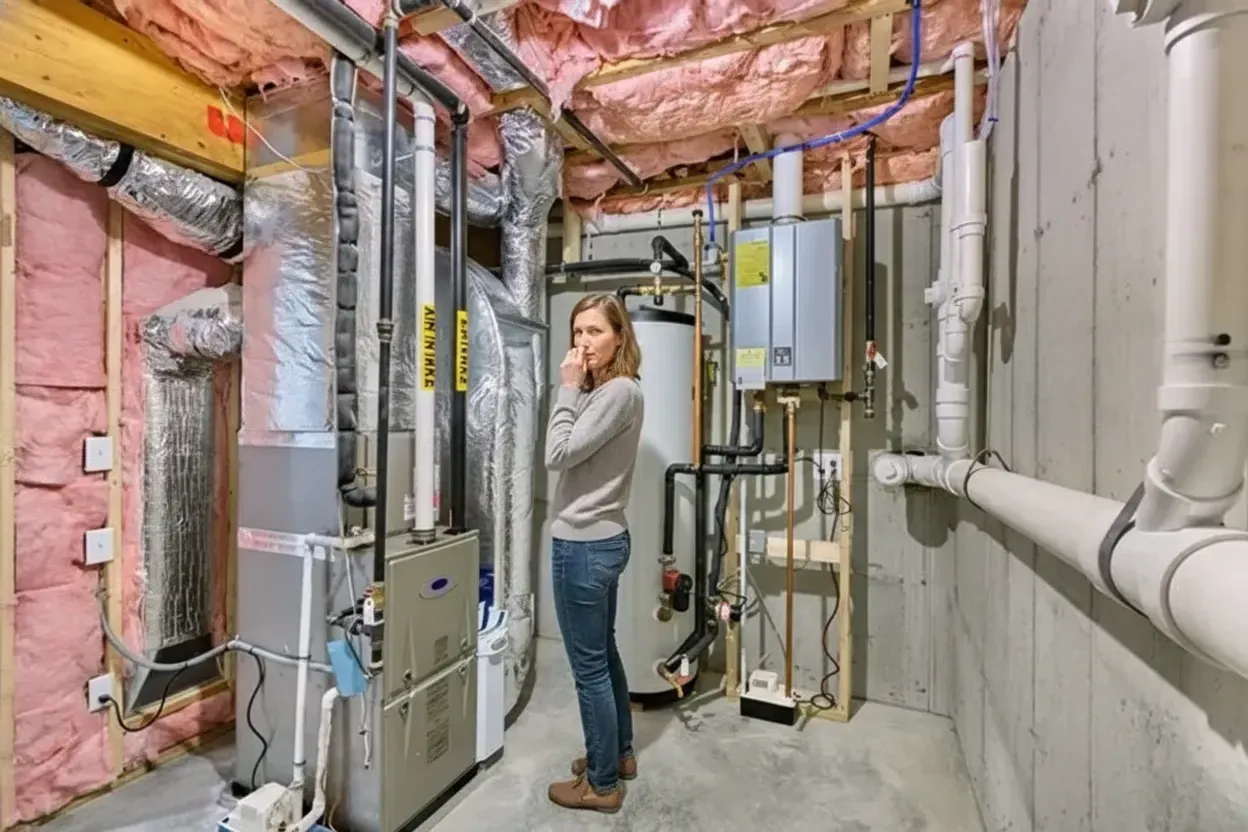
Do you want your furnace to break during the coldest part of winter? If the answer is no, then yes, you need to have regularly
scheduled maintenance and furnace checks. These visits are not only there to tune up your furnace, but they’re also there to be preventative. Catching small issues while they are still small ensures a quick and inexpensive repair. However, just like your individual health, if you leave small issues unchecked, they can snowball into major issues that disrupt your life and become much more expensive and inconvenient.
A rule of thumb is to get your furnace checked in the fall before there’s the first major hard freeze, which usually happens around October 26th according to the
National Weather Service.
Difficulty: Easy to moderate | Cost: $
For A Warm House, We’re Here To Help
To recap, checking your home for drafts is an inexpensive way to find gaps where cold air can enter. You can seal many of them with caulk or weatherstripping. These simple steps can give you peace of mind that you’ve prepared your home for winter and help keep it warm during severe cold snaps.
If you’d like help with any of the eight recommendations above, a professional handyman in Omaha can identify and fix many of the issues. For the other two issues, call Millard Heating and Cooling at (402) 510-2222 or
book online. We’re licensed, bonded, and insured. We’re also locally owned and operated with over 20 years of experience helping our friends and family in the greater Omaha metro area.