
How To Save Money On Air Conditioning In Omaha
By the time that late spring rolls around, a lot of homeowners and businesses are thinking about how to save money on air conditioning. After all, the average high temperature in Omaha starts to exceed 75° F in June, which is when people want to ensure they stay cool within their budget. Although OPPD’s rates are lower than the national average, it’s good to know where and how to reduce your energy costs.
The good news is that not everyone needs to install a brand-new, top-of-the-line air conditioning unit to save money. If you need a new AC unit, we can help. However, our customers have implemented simple energy-saving habits that help reduce their electricity bills. Our guide will provide simple tips and suggestions on how to save money on air conditioning.
Why Air Conditioning Costs So Much in Omaha
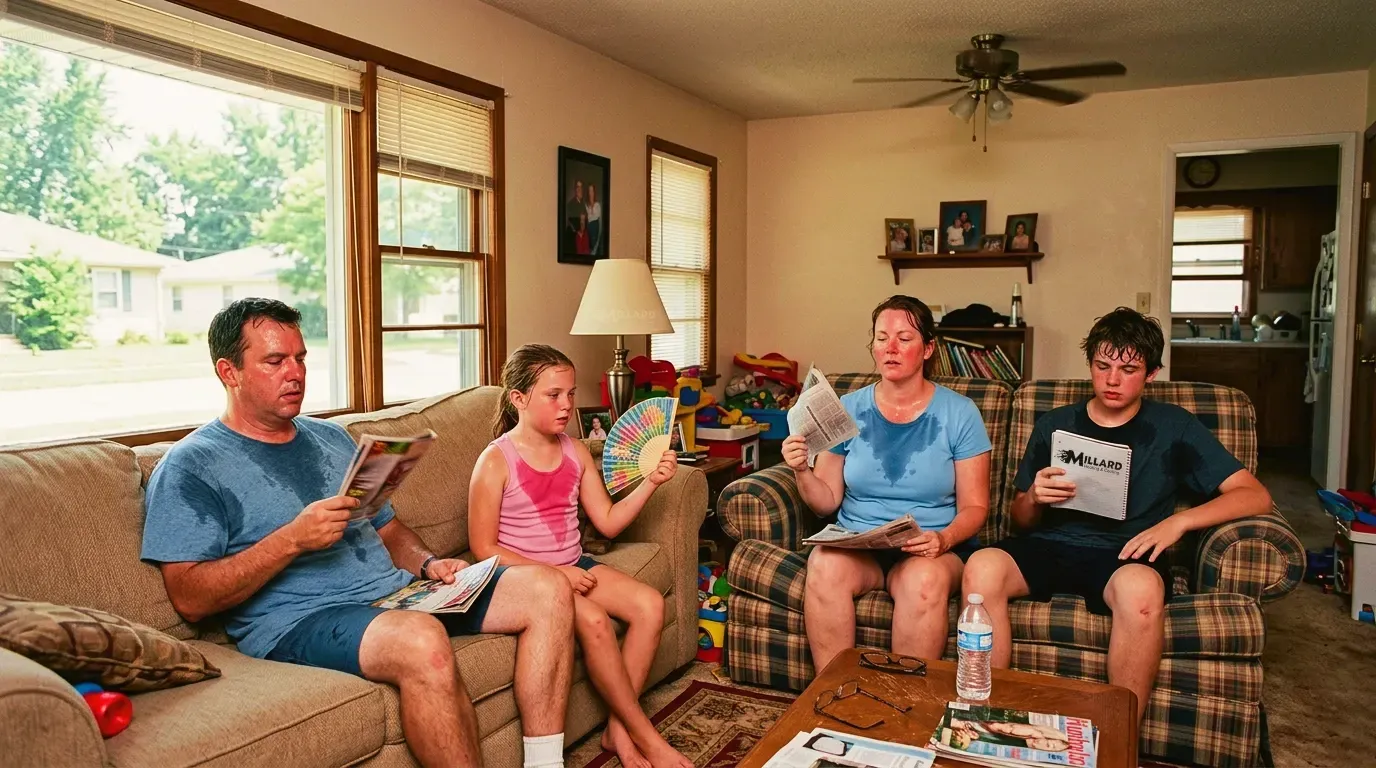
To start, why does air conditioning cost so much in Omaha if we aren’t even in the top 50 hottest cities in the United States in July? In a word: humidity. Long-time residents and visitors alike know that the feel-like temperature can be more important than the actual temperature. With that difference, your air conditioner has to do two major jobs to keep your home or office cool: remove heat and moisture from the air. Because it has those two jobs, your unit has to work harder.
Next, the age of your air conditioning unit increases expenses quickly. If your unit is over 20 years old, it’s not up to current energy standards, so it uses more energy than necessary to provide the same comfortable temperatures. Also, older thermostats or single thermostats in a space don’t work as well as newer ones. Throw in the dramatic temperature swings that cause units to switch between heating in the morning and cooling in the afternoon, and both your electric and gas bills start to add up.
Third, advances in technology have led to better refrigerants (commonly referred to by the brand name “Freon”) that absorb heat more efficiently and transfer it outside. Because of environmental regulations and efficiencies, the refrigerants in older units are no longer produced and therefore will need to be replaced. That replacement means completely new units.
So, why does air conditioning cost more for Omaha homes and businesses? Humidity, temperature swings, older units requiring more power to run, and the need to replace units due to new refrigerants can all drive up costs.
Tip #1: Set Your Thermostat the Smart Way
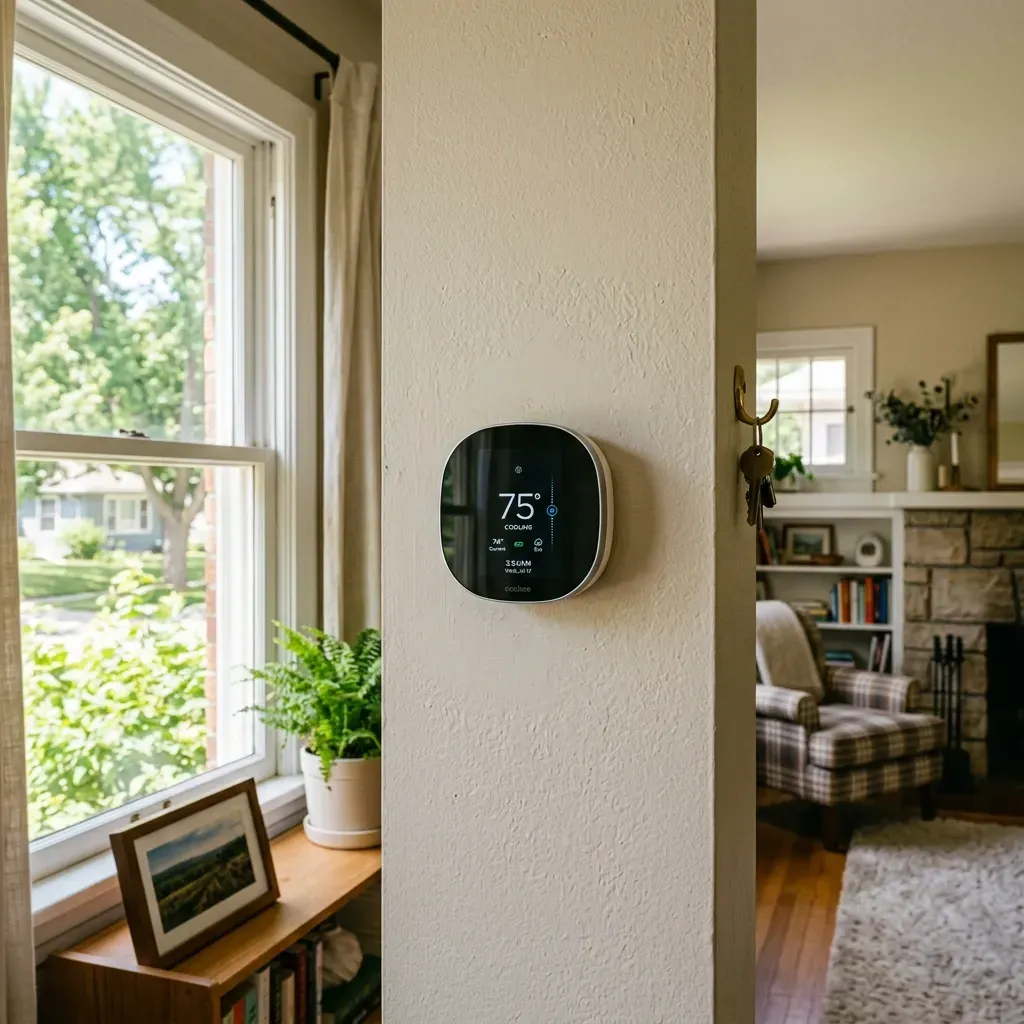
Plain and simple, your air conditioner will not turn on if the thermostat doesn’t tell it to. The thermostat is the brains behind the entire system. In an effort to help to control energy costs and reduce electricity demand, the Department of Energy suggests increasing your indoor temperature by 7° F - 10° F in the summer and lowering it in the winter can help you save up to 10% a year on energy bills.
Instead of an older, manual thermostat, opt for a programmable or smart thermostat. Having your air conditioner work less while you're asleep, away at work, or on vacation will reduce how much electricity your unit uses.
Tip #2: Make Easy, Low-Cost Home Fixes
While buying new windows, an air conditioning unit, or upgrading insulation in the home would help you save on your monthly gas and electric bills, those come with their own higher costs. For those looking to make small and intentional improvements, do the following:
- Change your filter every one to two months. We’ll never tire of telling our friends and neighbors this. Air filters are the easiest, least expensive way to keep your air conditioning running. Clean filters help air flow more easily, are cleaner, and use less energy. You don’t need to be an HVAC technician to do it.
- Don’t underestimate the power of good weatherstripping and caulk. Small gaps around windows and doors allow the comfortable air to leak out and the humid heat to leak in. Seal those gaps and the indoor air can stay cooler longer.
- Instead of running your air conditioner at full blast, turn the temperature up a few degrees and place a small fan to blow on you. Airflow helps push your body’s heat away from your skin and reduces demand on your AC.
- Since the sun’s radiation can heat a home like a greenhouse, try to close your blinds during the hottest time of the day, typically between 2PM and 6PM. Less thermal energy via the sun’s light means less heat your air conditioner needs to transfer outside.
Anyone in a home, office, or even apartment can do most of these within minutes. Small deliberate efforts like these will help reduce the load on your AC, how long it has to run, and will use less electricity.
Tip #3: AC Maintenance Keeps Costs Down
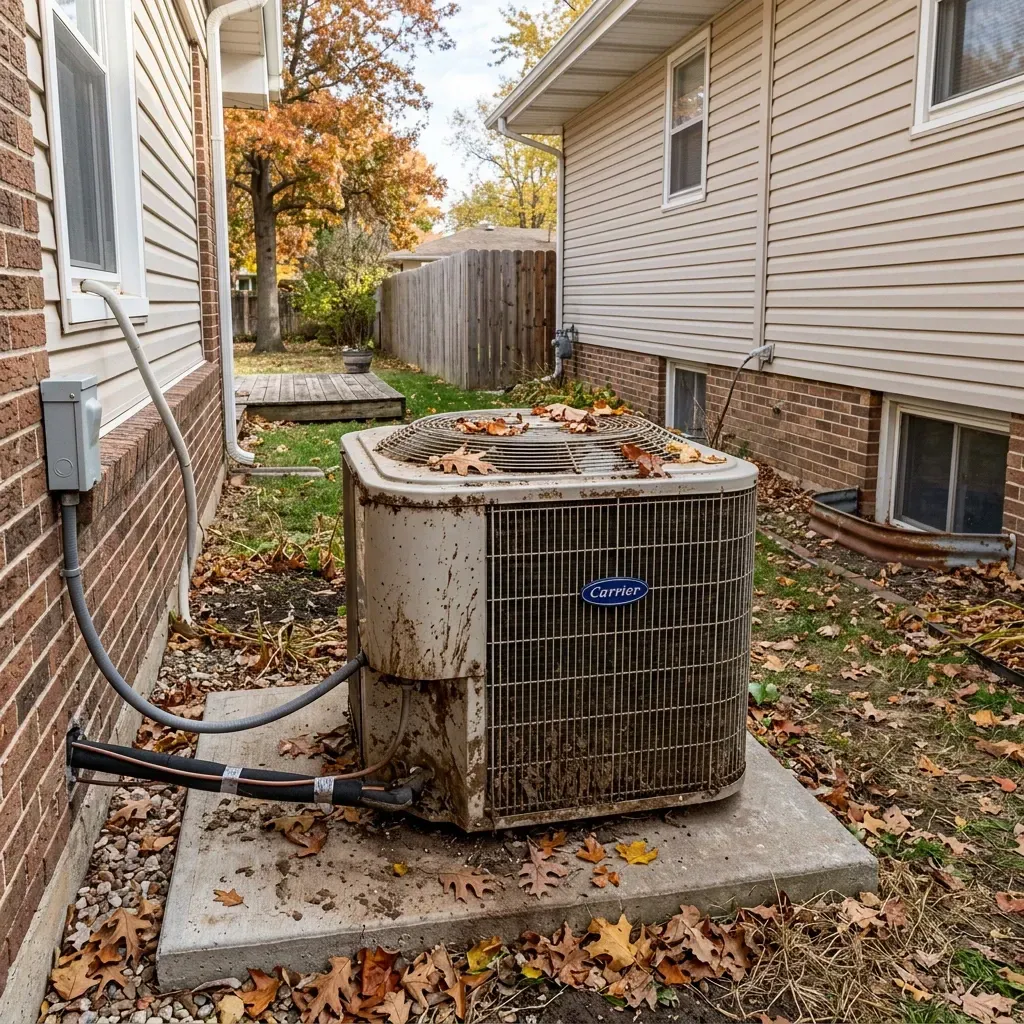
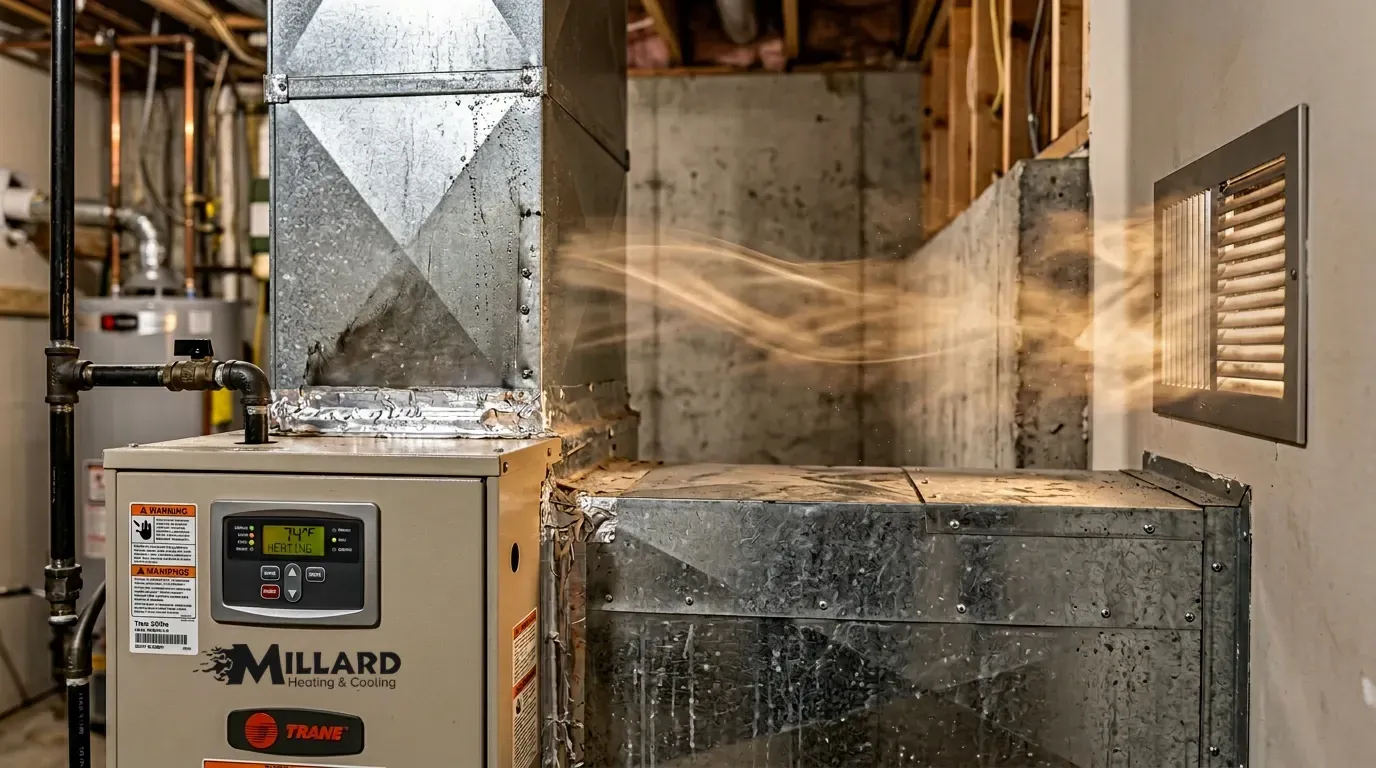
Just like regular exercise keeps medical bills down, routine maintenance on your air conditioner will keep costly repairs down. Not only do routine checks ensure everything is working properly, they’re a simple way to catch any issues before they cause your entire system to malfunction during the heat of the summer.
You can also do maintenance on your own. On your outdoor condenser, make sure to keep all debris and obstacles away from the unit. With Nebraska being the home of Arbor Day, it’s common for leaves to fall on the fans and clog airflow. Also, the impressive rainstorms and winds that blow can cause mud and dust to quickly seep into the coils and choke the system off from flowing air.
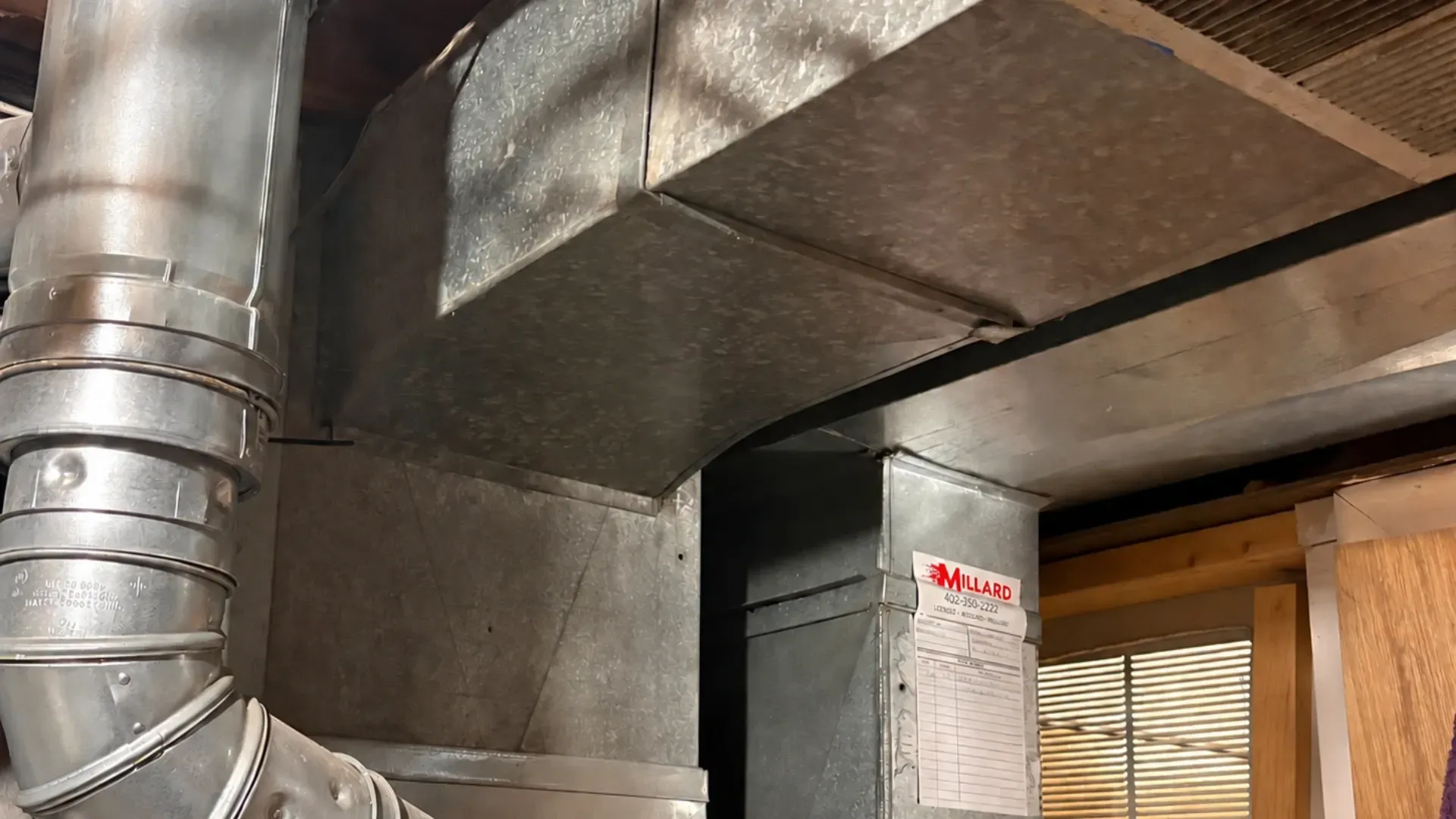
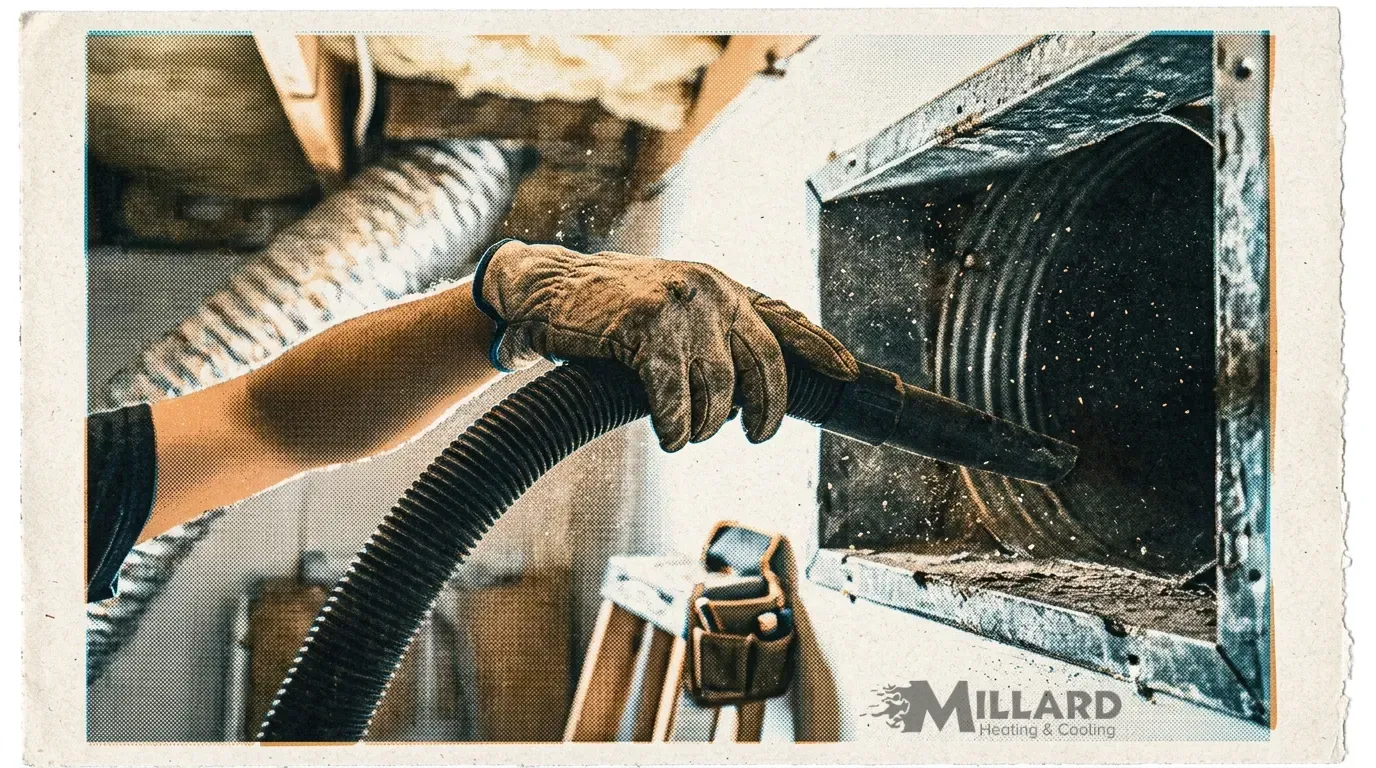
Inside, you can reduce the strain on your air conditioner by removing any blocks from the vents and air ducts. When looking at where to place furniture, try to keep it away from vent covers. If vents are on the wall, try not to place artwork in front of the covers. If you have little kids, regularly check that objects haven’t been dropped into the vents. Common items include crayons, LEGOs, AirPods, cut pieces of paper, paperclips, or anything young kids can get their hands on.
When a professional HVAC technician comes to maintain your unit, routine parts of the air conditioner are checked. First, we check refrigerant levels to ensure there is no leakage since it never needs to be refilled for any other reason. Second, we check that the coils are clean. Third, connections between the outdoor and indoor units are inspected to ensure the connections haven’t decayed, rusted, or broken down.
Tip #4: Upgrade When The Time Is Right
Eventually, repair costs become higher than the cost of buying a new unit. If your unit is at least 15 years old or older, chances are the electricity and repairs are costing more than payments for a new unit. Also, with refrigerant technology improving, there will come a point when older refrigerants are no longer manufactured, and you will have to get a new unit. It’s better to plan to replace your unit than to have it happen and for you to not be ready.
When looking at possible units to buy, it helps to have a professional HVAC technician to help you to walk through the process. Our technicians will look at the square footage of the space that needs to be cooled, the energy used (gas, electric), and which type of unit would help cool the space the best.
An additional benefit of upgrading to a new unit is discounts from power companies like OPPD and federal rebates for having an energy-efficient home. Other ways to afford new units include through
financing and taking advantage of seasonal specials on HVAC equipment from manufacturers or HVAC technicians. Yes, there are a lot of upfront costs, but the long-term savings will more than pay for the costs.
TIp #5: Minimize Making Heat In The Home
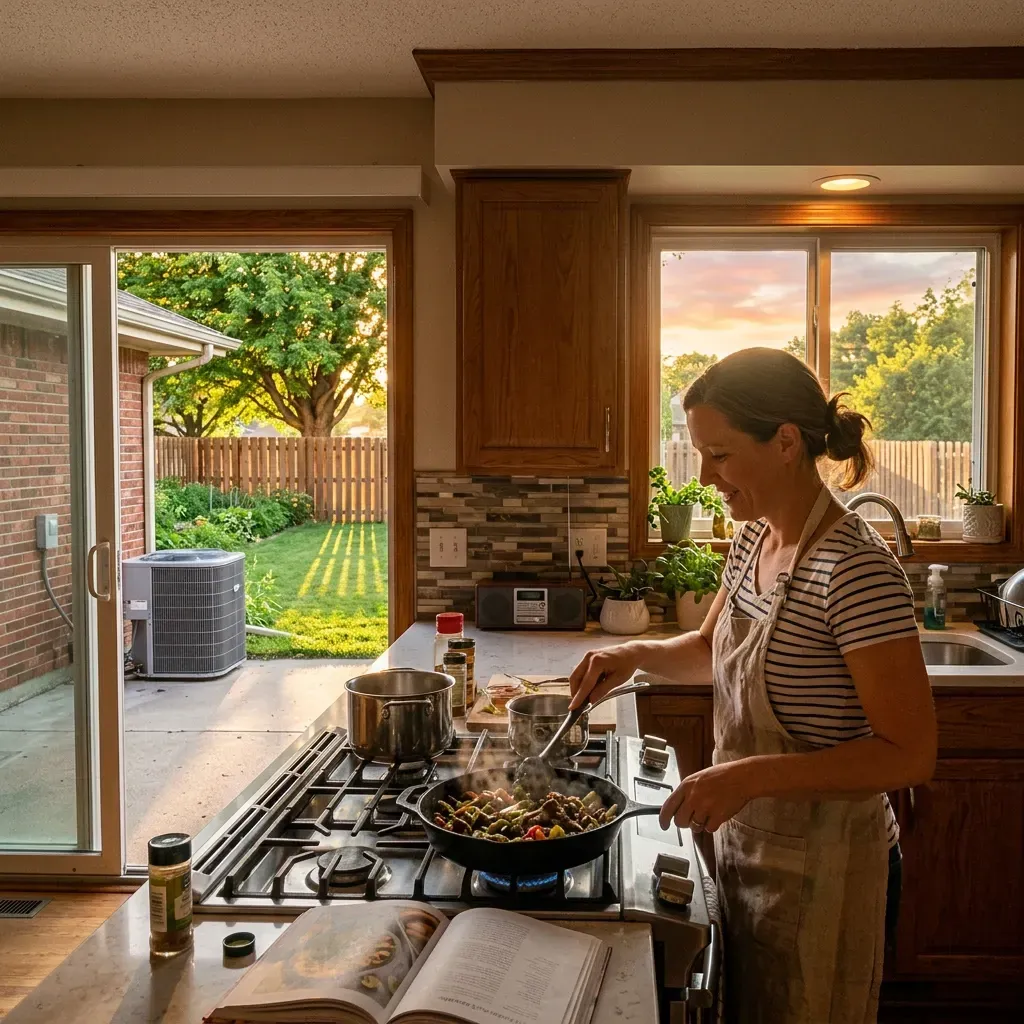
Other than body heat, there are appliances and other parts of your home that either produce or pass heat into the home that can be minimized with a few easy steps:
1. If you need to run your clothes dryer, oven, stove, or other heat-producing appliances, try to do it before 9 AM so as not to push your air conditioning at the peak heat hours of the day.
2. Given that Nebraska is the home of Arbor Day, consider planting trees, especially on the south side of your home or where the largest windows are. Also consider adding curtains and blinds to block the sun during the peak hours of the day.
3. To keep the cool air in, look into improving the insulation in your attic. Given roofs are dark and absorb a lot of the sun's heat, attics can get hot quickly. Insulating this space prevents the heat from the roof from being trapped indoors.
While some of these steps are simple planning changes, others require a bit of investment. However, investing in your home and prolonging the life of your appliances helps you in the long run.
That’s How To Save Money On Air Conditioning
We just went over a few ways to save money on air conditioning. Some of the ideas are simple changes of habit while others require a bit of an investment. However, even little changes can really help save money when it matters..
If you need someone to check on your air conditioner, perform routine maintenance, and help you keep the air quality in your home at top-notch, Millard Heating and Cooling is here for all of the greater Omaha metro area. We’ll
complete a free consultation to let you know the next steps on how to save money on air conditioning.