
Can I Be Allergic To Air Conditioning?
During the warmer months in Nebraska when the air conditioning is running, and you start sneezing, you may wonder if you’re allergic to air conditioning. Can those itchy eyes, sneezing fits, and runny nose really be caused by your air conditioner?
The short answer is it's rarely the air conditioner itself. Most of the time, your body reacts to allergens in the air the HVAC system circulates. Those allergens include mold, pollen, dust, and pet dander.
However, in extremely rare cases, the cold air can cause a true allergic reaction. However, with professional assistance, nearly all of the triggers and allergens can be removed. Since we’ve served the greater Omaha area exclusively for over 25 years, we can tell you exactly why people think they’re allergic to air conditioning and how to fix it.
Key Takeaways:
- You’re not allergic to air conditioning, but what’s circulating.
- What you’re reacting to is possibly mildew, pet dander, pollen, dust mites, and even VOCs.
- Since AC air is dry, it can mimic allergies (non-allergic rhinitis).
- You could be reacting to cold air (Cold urticaria)
- Controlling humidity, clean filters, and maintenance can solve most issues.
So, Can You Actually Be Allergic to Air Conditioning?
Before you blame your air conditioner and start looking for different AC brands online, let’s review how your cooling system actually works and what it does. When your thermostat detects that the air in your home or office has hit the threshold you set, your system turns on.
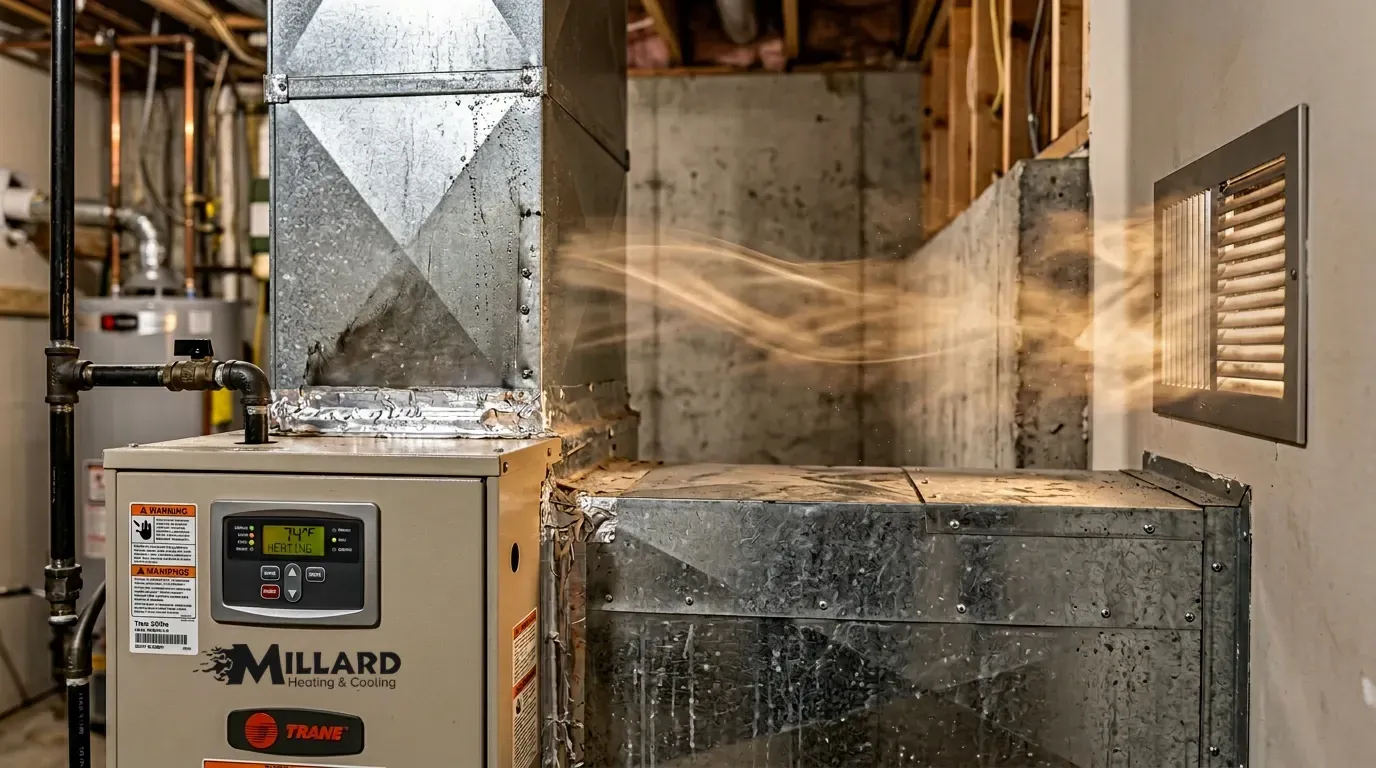
When the AC starts, the motor sucks in existing air from your home or office. That air is filtered and cooled, and that cooled air gets delivered back into the home or office through the vents. So, other than the filter catching some allergens, the air you’re breathing is the same air that you have already been breathing.
Having the right air filter is what can make a big difference. If the air filter is clean and is the right size and grade, then the amount of allergens in the air is greatly reduced. Higher-end HEPA-certified filters can provide an extra layer of protection. You can also install air purifiers in the air ducts and plug-in purifiers.
So, even with filtration, the air can still carry allergens. However, there’s a difference between actual allergies and allergy-like symptoms. Allergic reactions are caused by something specific, while symptoms can also be caused by dirty air.
To clarify, the air conditioner itself is not an allergen. It is a collection of metal and electronic components that helps your home or office stay cool.
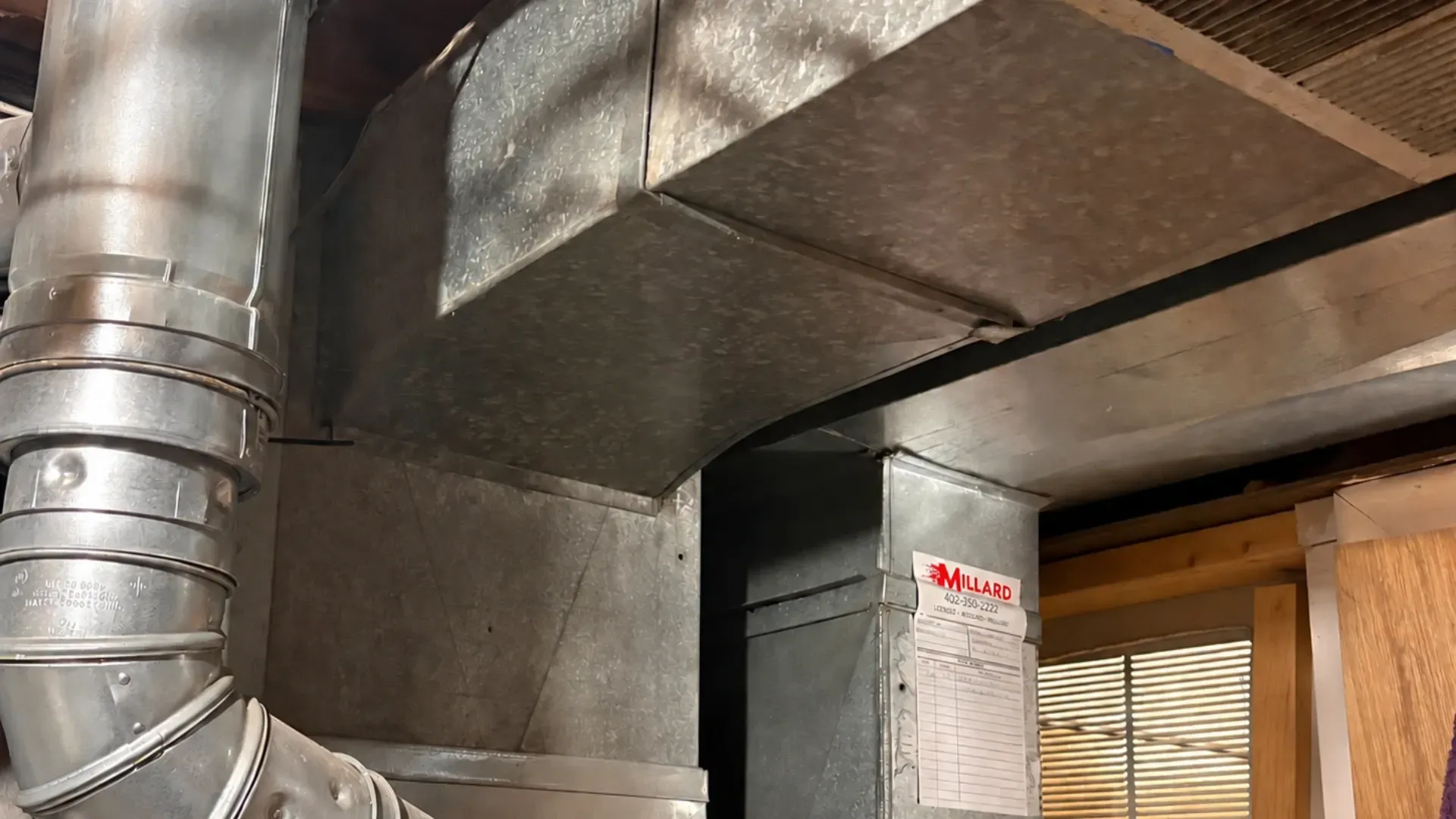
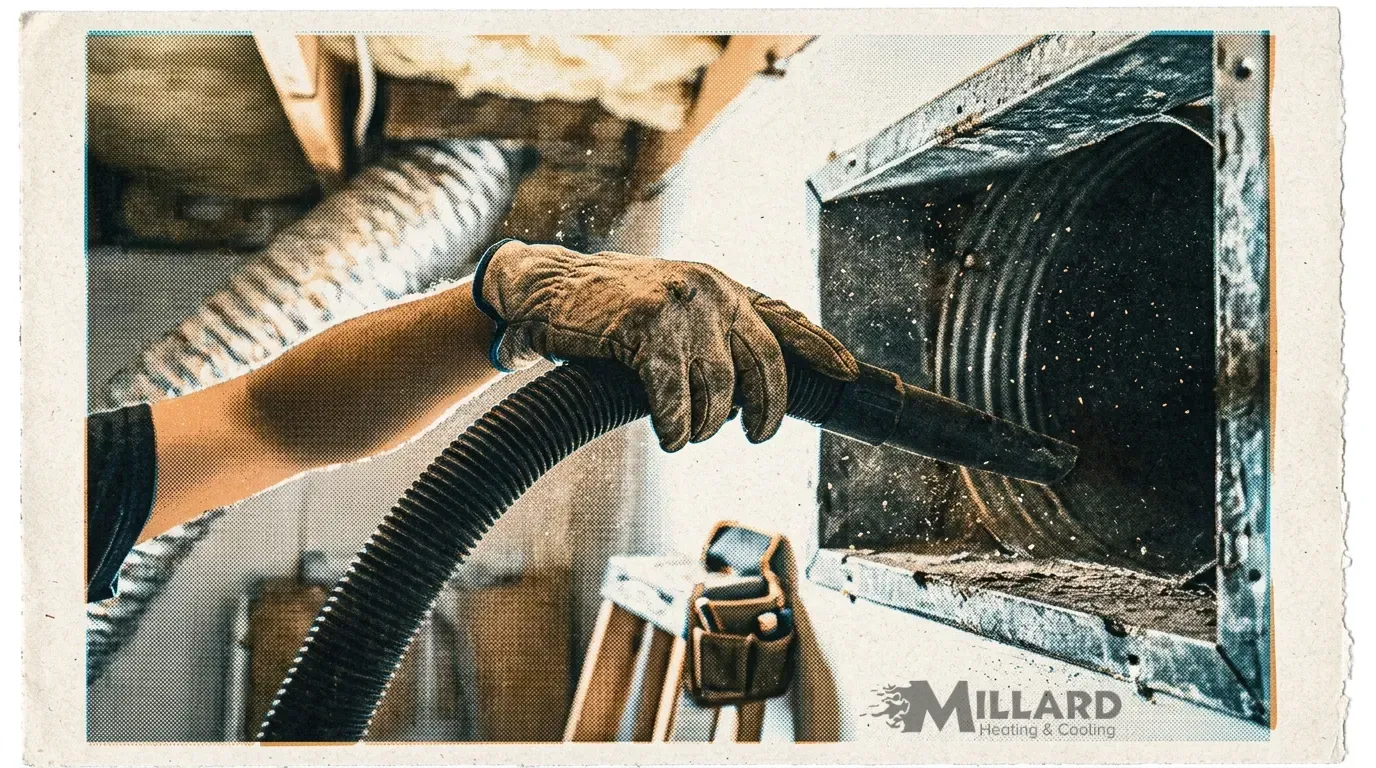
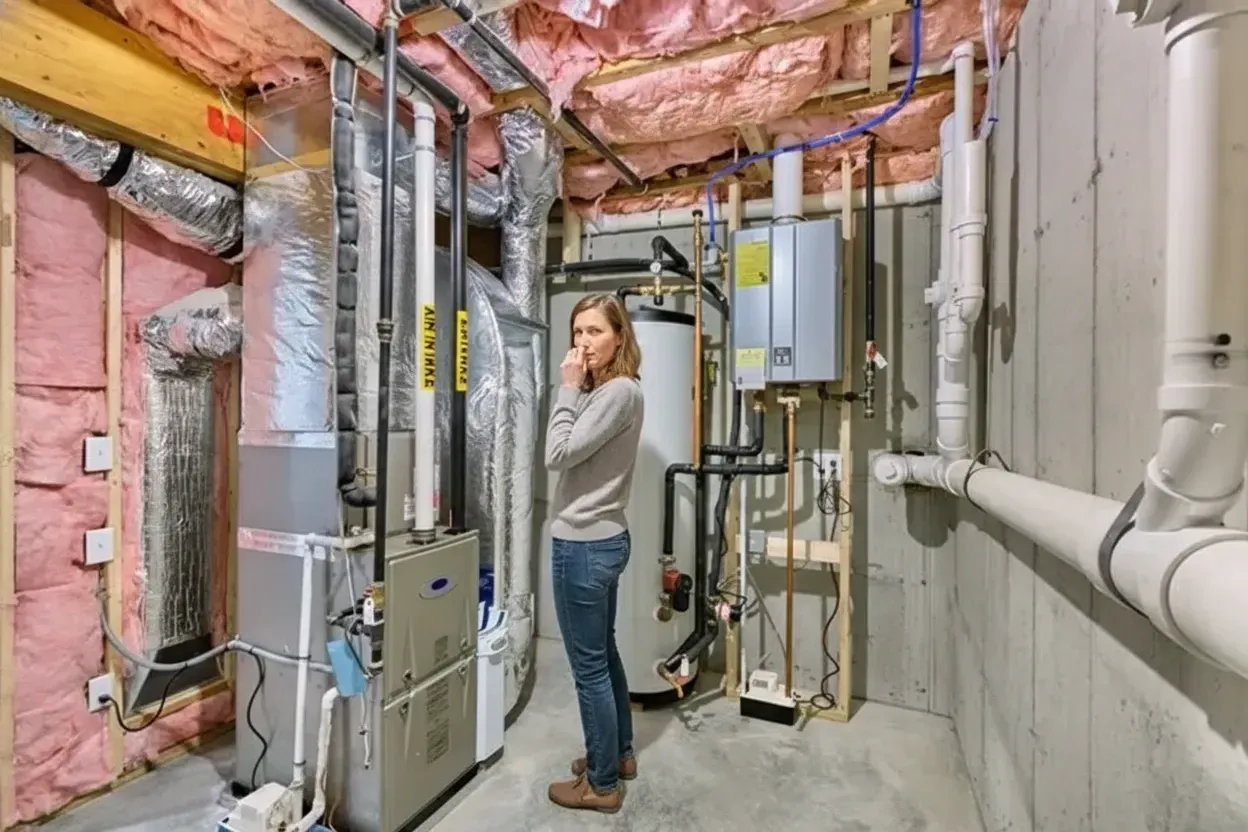
Since there are older homes in Omaha, especially in Dundee, Benson, and around downtown, the aging ductwork can hold years of dust and possibly mold due to antiquated weatherproofing.
What's Really Causing Your Symptoms: 6 Hidden Culprit
So, now that we know that it’s the stuff in the air that is causing you to sneeze and you’re not actually allergic to air conditioning machinery, let’s go through the five most common causes of your allergies:
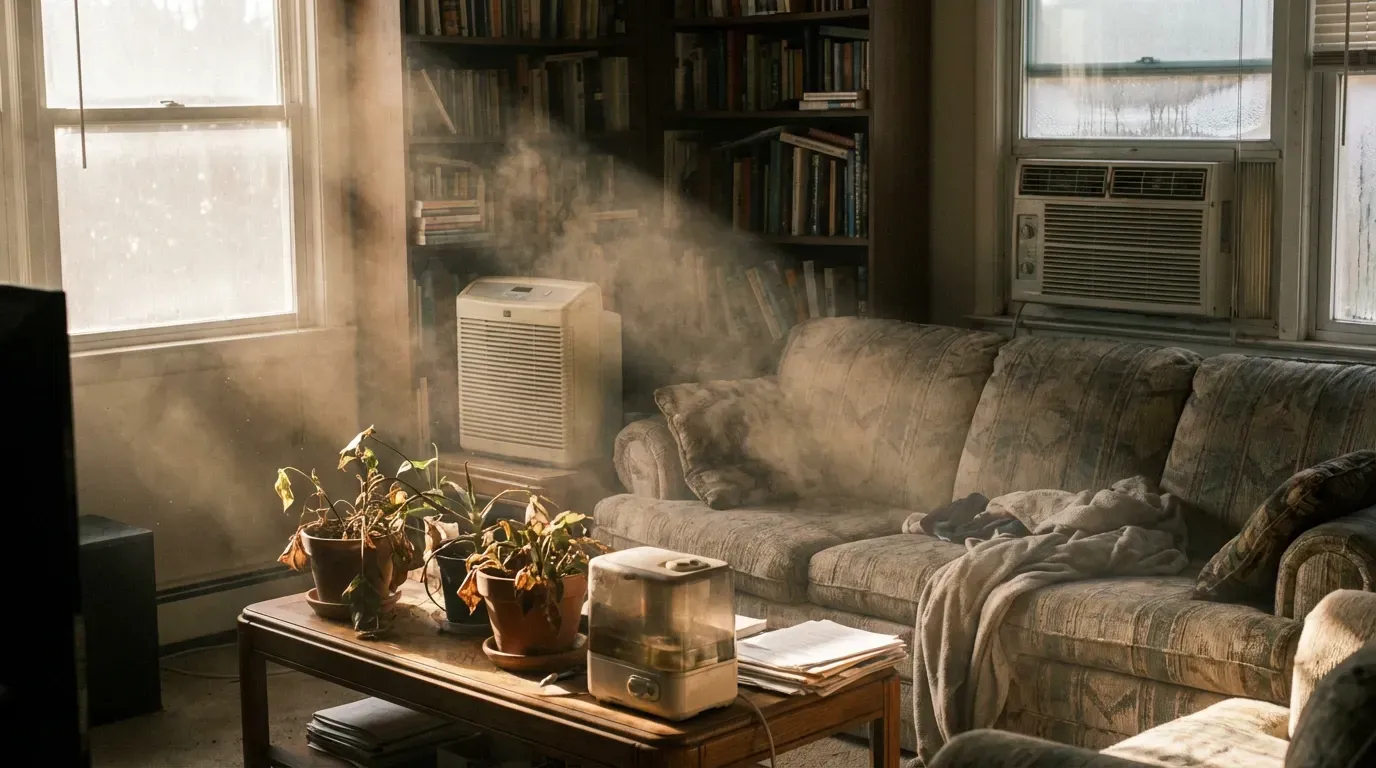
- Mildew is a surface fungus that is white, gray, or yellow. It grows in moist areas, such as the drain pan, ductwork, or water-damaged walls. Humidity can be the moisture needed to keep it growing, but it can be washed away.
- Mold is also a fungus, but it penetrates and grows inside substances such as wet drywall or moist carpet. Humidity can cause this as well, and infected walls and carpet have to be replaced.
- Dust is a dry allergen that can breed dust mites. Outdoor dust or dead skin cells can attract dust mites. The allergen is the waste and organic materials from dust mites themselves. These materials can be moved through your air conditioner.
- Pollen flies around a lot during the warmer months in Nebraska. Given that this is where Eastern US plants end, and Western US plants begin, the mixture of that and farming makes this very prevalent. Pollen easily attaches to clothes and shoes and can come in through an open window or door. Your air conditioner then recirculates pollen through the home or office.
- Pet dander happens when your pet sheds dead skin cells. Anywhere your pet goes or anywhere you go after coming in contact with your pet, moves that dander. That gets sucked into your air conditioner, is cooled, and distributed throughout the home or office.
- VOCs are volatile organic compounds,
which are chemicals emitted from furniture, carpet, air sprays, and other manufactured items. Without fresh air coming in, those compounds recirculate with other allergens.
What Feels Like Allergies, But Aren’t
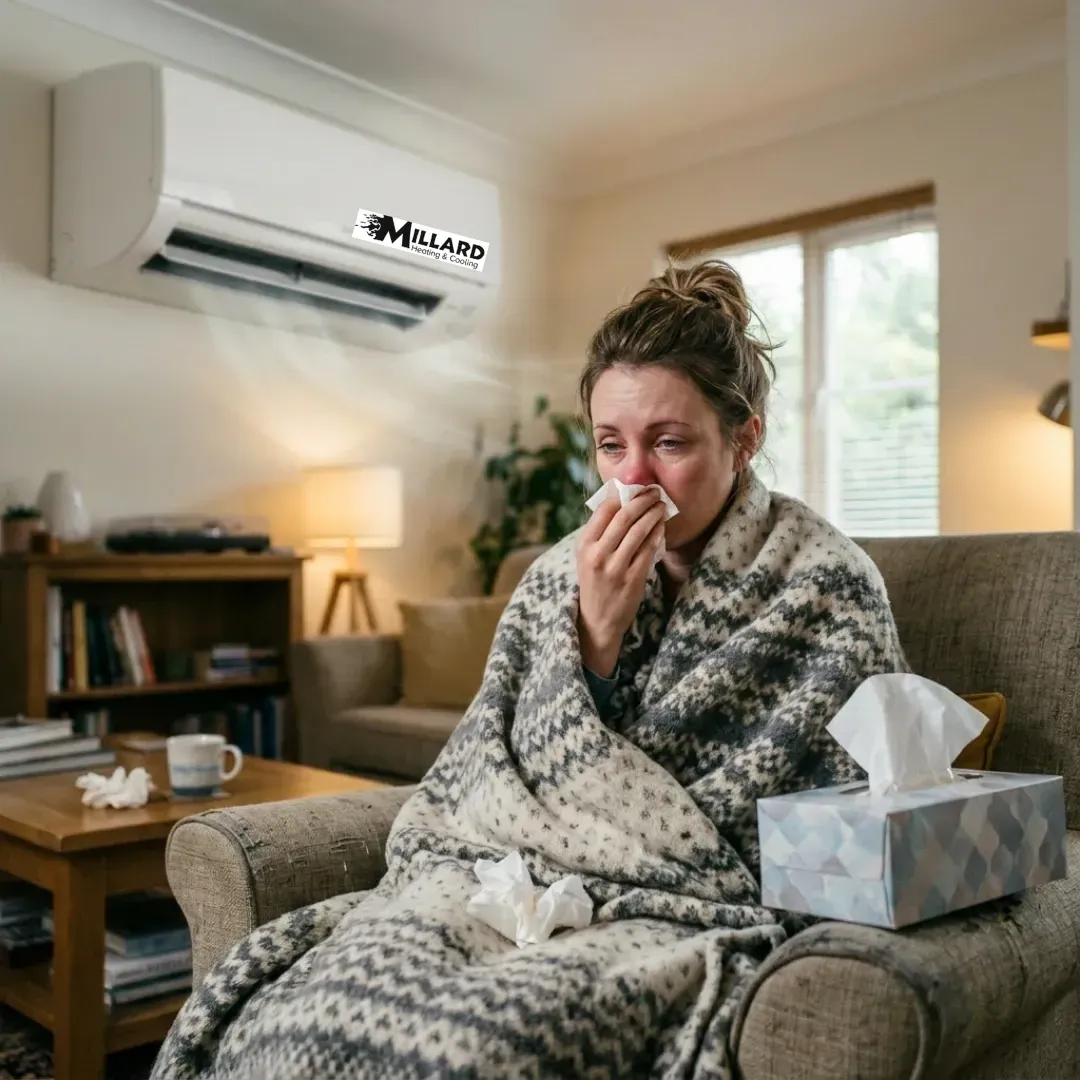
So, we’ve talked about what’s in the air that can cause irritated eyes, runny noses, coughing, and other respiratory issues. Remember, allergies are reacting to what’s in the air, not the air itself. However, other factors in air-conditioned air can make you think you’re allergic to air conditioning, but you actually are reacting to cold air.
Air that is cooled and dehumidified can cause dry-air irritation. Ask anyone in western Nebraska about dry air, and they’ll tell you that the lack of moisture can dry out nasal passages. Since your body is mostly water, anything that gets dried out (skin, nose, mouth, etc.) causes a reaction where the body pushes moisture back in (sweat, mucus, saliva). That influx of moisture can cause sneezing, a runny nose, or congestion.
This phenomenon is called
non-allergic rhinitis, or vasomotor rhinitis. Medicine won’t help. What you need to do is humidify the air in your home or office to a maximum of 50%.
In rare circumstances, you can actually be allergic to the cold itself in a condition called
cold urticaria. Typically, the reactions include swelling, itching, and hives in the skin. In extremely rare cases, it can cause trouble breathing.
Prevent Feeling Like You’re Allergic To Air Conditioning
Luckily, the best way to alleviate feeling like you're allergic to air conditioning can be done in a few very simple steps. If you follow these, you should feel a dramatic change.
- Change your air filter. You’d be surprised how many issues result from not having clean air filters. If there’s anything you take away from this blog, it’s change your air filter frequently.
- If changing your air filter doesn't work, upgrade your air filter. Check the MERV (Minimum Efficiency Reporting Value) rating on your filter and get one with a higher rating. That rating tells how effective the filter is at catching smaller molecules. The higher the rating, the more fine particles the filter catches.
- Keep your humidity levels between 30-50%. If your humidity level is too low, we recommend an in-duct humidifier. If your home is too humid, we recommend an in-duct dehumidifier. This will reduce the risk of mold and mildew growth while also protecting your belongings.
- Call an HVAC technician to check your air conditioner. They can clean the coils and drain pan, check the ductwork, and look for any moisture buildup.
- Install an air purifier. These can be purchased at major retailers. However, for professional-grade and ones that will clean all the air in your home, we recommend
in-duct air purifiers.
When to Call a Doctor vs. When to Call Us
We are not medical doctors, nor do we profess to be. Always seek medical attention if you’re consistently feeling sick or if your symptoms get worse. However, you can call us when you see mold, dust, feel gross anytime you feel your air conditioning running, or if you haven’t serviced your HVAC system in more than six months.
After serving Omaha for over two decades, we’ve seen all the above and much more. While regular maintenance can prevent or delay many issues, eventually furnaces need the care of expert furnace repair technicians. If you need a furnace fixed, replaced, or maintained, Millard Heating & Cooling is here to help you. Contact us today!
So, Can I Be Allergic To Air Conditioning?
Most of the time, the answer is no. The air conditioner is a piece of machinery that cools air. What’s in the air is what’s causing either allergic or allergic-like reactions. If you’re like most people in the greater Omaha area and you don’t have the time or skill set to maintain your air conditioning system on your own,
schedule an appointment with Millard Heating & Cooling so we can find out what’s really in your air.