
Understanding New Furnace Smells: A Guide for Homeowners
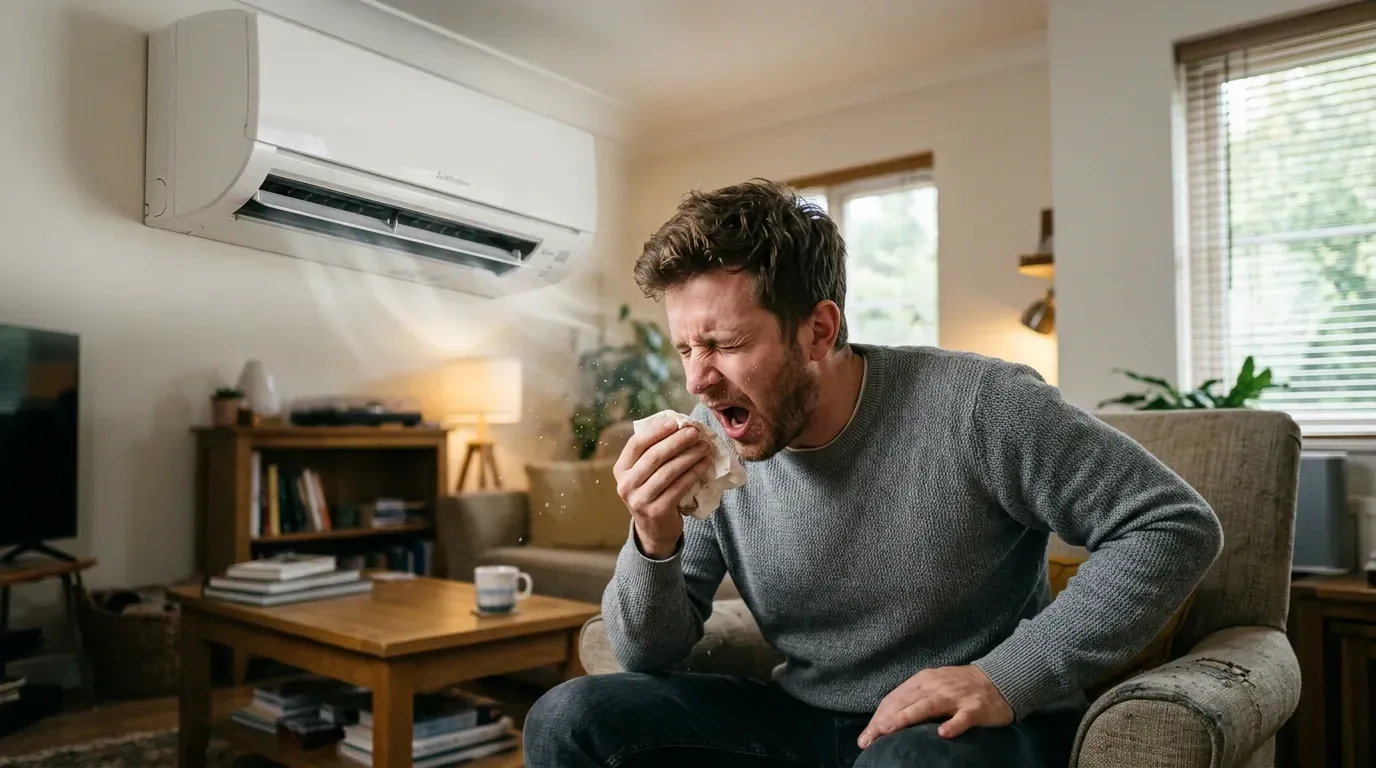
So, what’s up with the new furnace smell? You’ve just spent thousands of dollars on a new HVAC system, you turn it on, and immediately you’re second-guessing your life decisions because an odd smell comes out of what’s supposed to be a brand new furnace. Well, you’re not the first. As HVAC professionals who have installed new furnaces for small businesses and homes all around the Omaha metro, we hear this a lot. The good news is that most smells that new furnaces make are to be expected and are short-lived. However, not all smells are harmless. It’s good for you to know what harmless new furnace odors are and what smells should be a red flag.
This guide is where we’ll walk you through everything you need to know about new furnace smells, what causes those odors, and when you should be concerned.
What Is "New Furnace Smell" and Is It Normal?
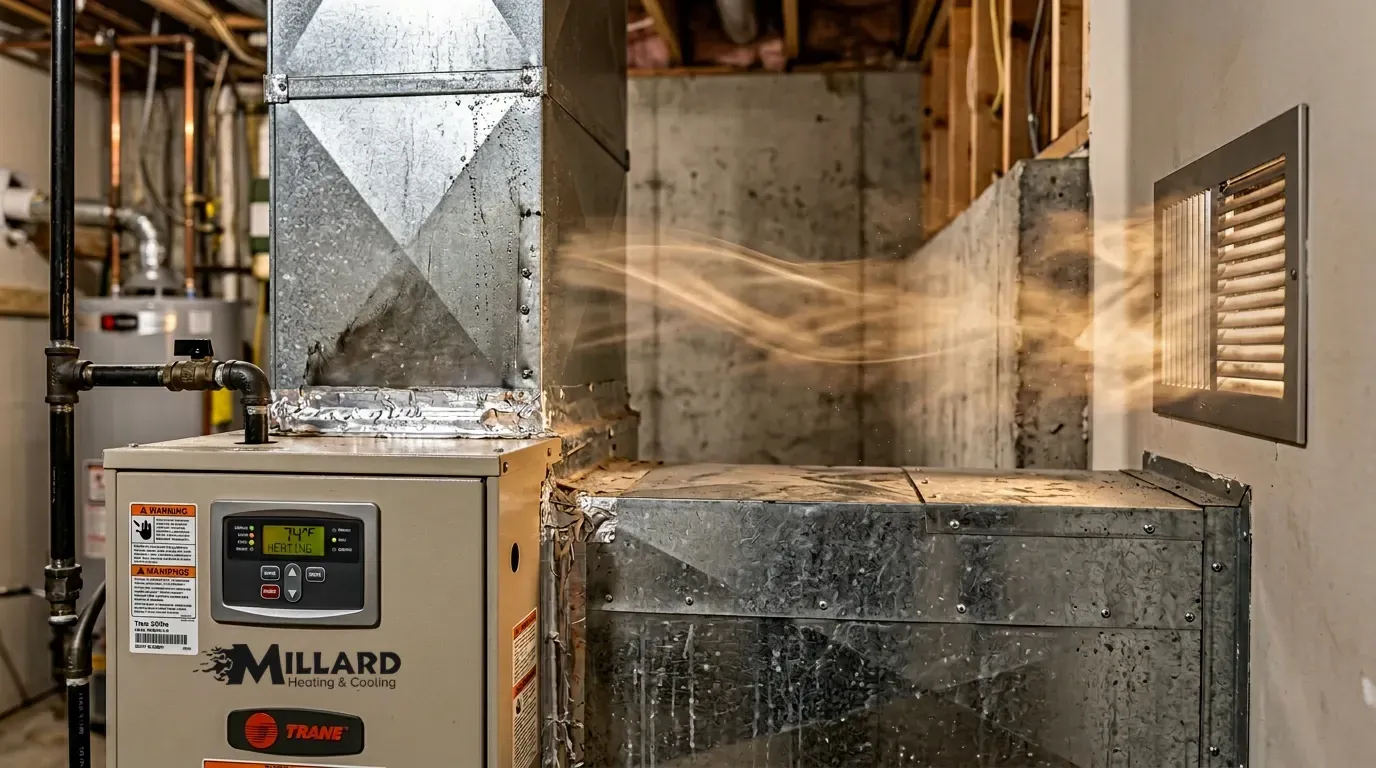
To start, most new furnace smells are harmless and short-lived. During the manufacture of furnaces, some materials stay on the furnace and remain there until you turn on the unit for the first time. Those materials burning off are the smell that you smell. Most of the time, any odors will dissipate and no longer be detectable within less than a month of normal furnace use. Once the furnace has run and broken in (like you would a new pair of shoes), the smells go away.
However, to put your mind at ease, we’re going to dive into what those manufactured materials are and why their odor is harmless.
The Five Sources of New Furnace Smell
Alright, here is the list of what is being burned off or what materials are causing the new furnace smell:
1. Adhesives and Sealants
This may come as no surprise, but furnaces are made of many different parts and need to be bound together to make a complete unit, so furnace manufacturers use adhesives and sealants to connect metal parts and secure them in place. When you turn on your furnace, these bonding agents release fumes, but this is normal. As the parts break-in and function repeatedly, any odor will go away.
2. Protective Oils on Metal Parts
To prevent the furnace unit from corroding, rusting, or becoming less efficient from the time it’s made to the time it’s used, protective oils are used to cover metal parts, like the heat exchanger. It’s rare for a furnace to go into service within days of manufacture. Given the fact that the average timespan between manufacture and first use is between six months and a year, the manufacturing company needs to ensure its product doesn’t break down before its first use.
Those oils stay in place until a buyer has the unit installed and turns it on for the first time. The oils will safely burn off, pose no health issues, and dissipate after continuous normal use.
3. Heat Exchanger Insulation
Within the furnace is what’s called the heat exchanger, where the heat is transferred from the inside of the unit to the air that ultimately warms up your home. To prevent heat from leaking out of the furnace and not blowing into all the rooms of a house, there’s insulation that goes around the heat exchanger. Since the insulation is new, it will release some chemicals when heated. Just like the oils and adhesives, the smell is temporary and harmless.
4. Trapped Manufacturing Odors
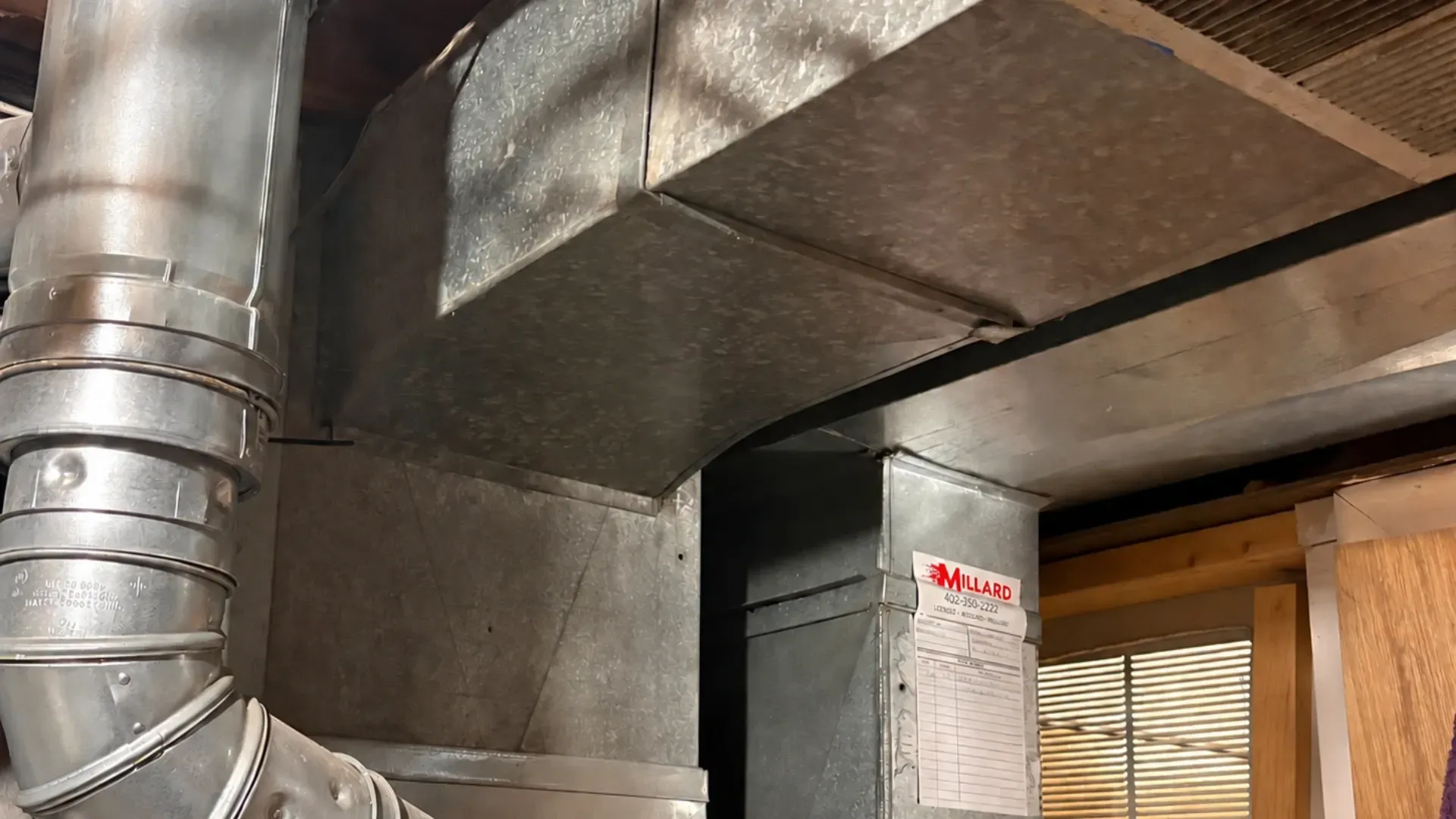
Just like the furnace, ductwork can retain residual odors from when it was manufactured. As the air warms up and is pushed through the ductwork for the first time, those odors will get blown into the home and will be prominent at first, but will dissipate as more and more fresh air moves through the system.
5. Burning Dust, Debris, and Insulation
Manufacturers make furnaces in large plants with a lot of automation. Just like most manufacturing operations that don’t involve food, it’s natural to get some dust and other particles into the furnace parts as they’re assembled and sealed together. When you heat the furnace, some of that dust and particles burn off. These odors will go away within the first day of operation.
Identifying Different Smells
So now that we know what causes the different smells, how can you know if what you’re smelling is one of those “don’t worry about it” smells? We’ll look at the short list below.
- Burning or chemical odor: This is the typical break-in smell from protective coatings and manufacturing materials.
- Oil or burned dust scent: Expected from accumulated dust burning off.
- Hair dryer-like smell: Common with new heating systems as components heat up for the first time.
Timeline: Expect these smells to fade within 1-4 weeks of regular operation.
Tips To Lessen Those New Smells
Even though these smells are normal and safe, it doesn’t mean they are fun to have. So, here’s a quick list of what you can do to air out your home:
- Depending on the weather, try cracking open a few windows to let fresh air circulate through the new furnace.
- To break in the furnace, let it run for a few hours without interruption to circulate the air.
- Remember to replace the air filters after the first 3-6 months of use to take out impurities.
- Schedule regular maintenance to ensure proper function and reduce dust accumulation.
Warning Signs: Smells That Demand Immediate Action
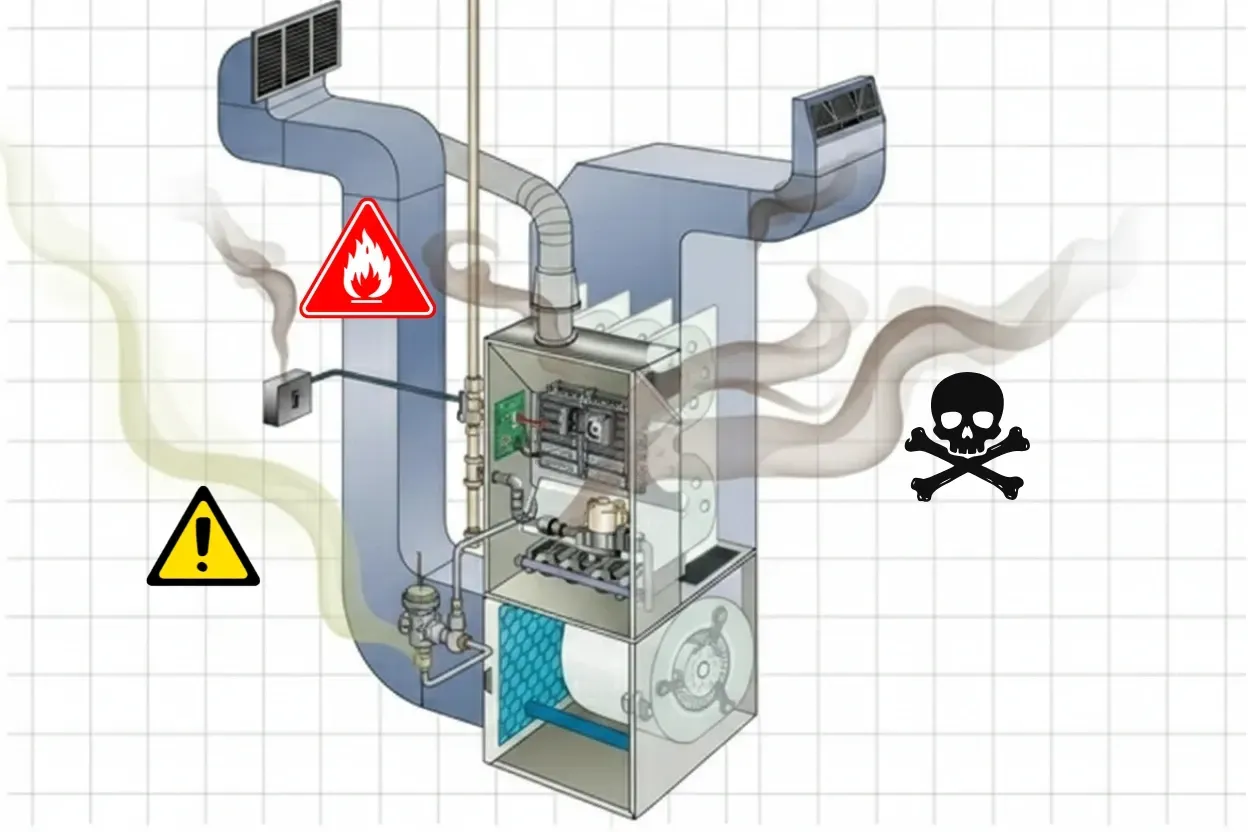
We’ve covered what new furnace smells are, where they come from, what they smell like, and how to reduce the overall smell in your home. Now onto the smells that you should not smell, and if you do, call Millard Heating & Cooling immediately:
Burning Plastic or Rubber
Where It’s Coming From: insulation melting, or electrical wiring getting too hot.
What It Means: The motor is running too hot, the blower motor isn’t running as it should, or other electrical problems.
What To Do: Turn off your furnace and call us immediately.
Why It’s Important: If the electrical parts of your furnace are too hot or getting warmer than they should, it could cause an electrical fire, which could spread to the structure of your home.
Gas or Rotten Egg Odor
Where It’s Coming From: Leaking gas, such as natural gas or propane.
Why It Smells: Odorless gases can leak and cause health issues, so gas companies add mercaptan to the gas to produce that smell so you can smell any leaks.
What To Do: Get out of your home quickly and safely and call 911. Do not turn on any appliances, make any sparks, or rub cloth, causing static electricity.
Why It’s Important: This is the
most dangerous smell that can come from your furnace. Gases like natural gas and propane are pressurized and need to be contained. Any spark or ignition could cause an explosion, resulting in significant property damage or injury.
Gas Smell Outside
What It Means: Your furnace isn’t burning the gas correctly (improper combustion) and is venting through the exhaust outside.
What To Do: Turn off your furnace’s gas and electrical supply, then call Millard Heating & Air immediately
Why It’s Important: Anytime there’s a gas leak, unintentional sparks can happen, causing a fire where they shouldn’t be. Also, any fire not in intended locations produces carbon monoxide, which is toxic to breathe.
Musty or Muddy Smell
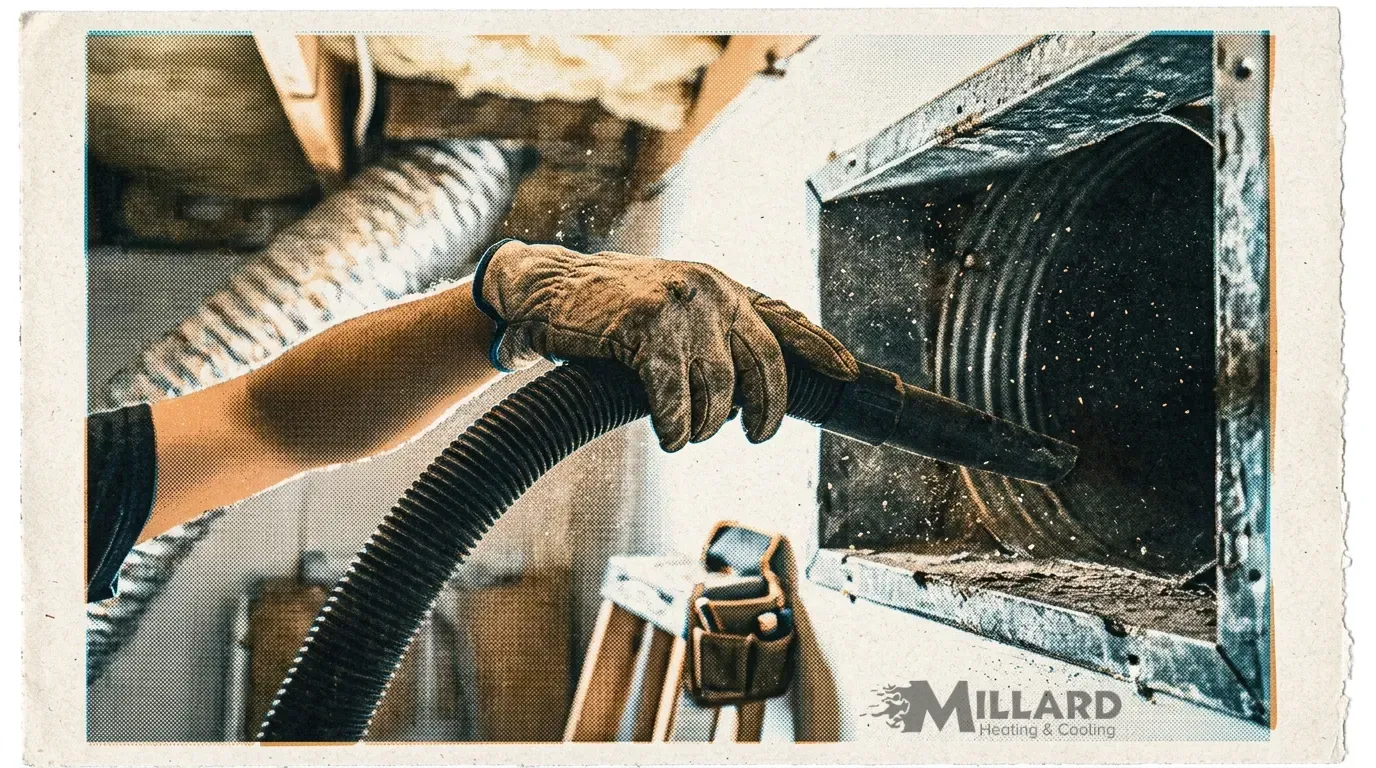
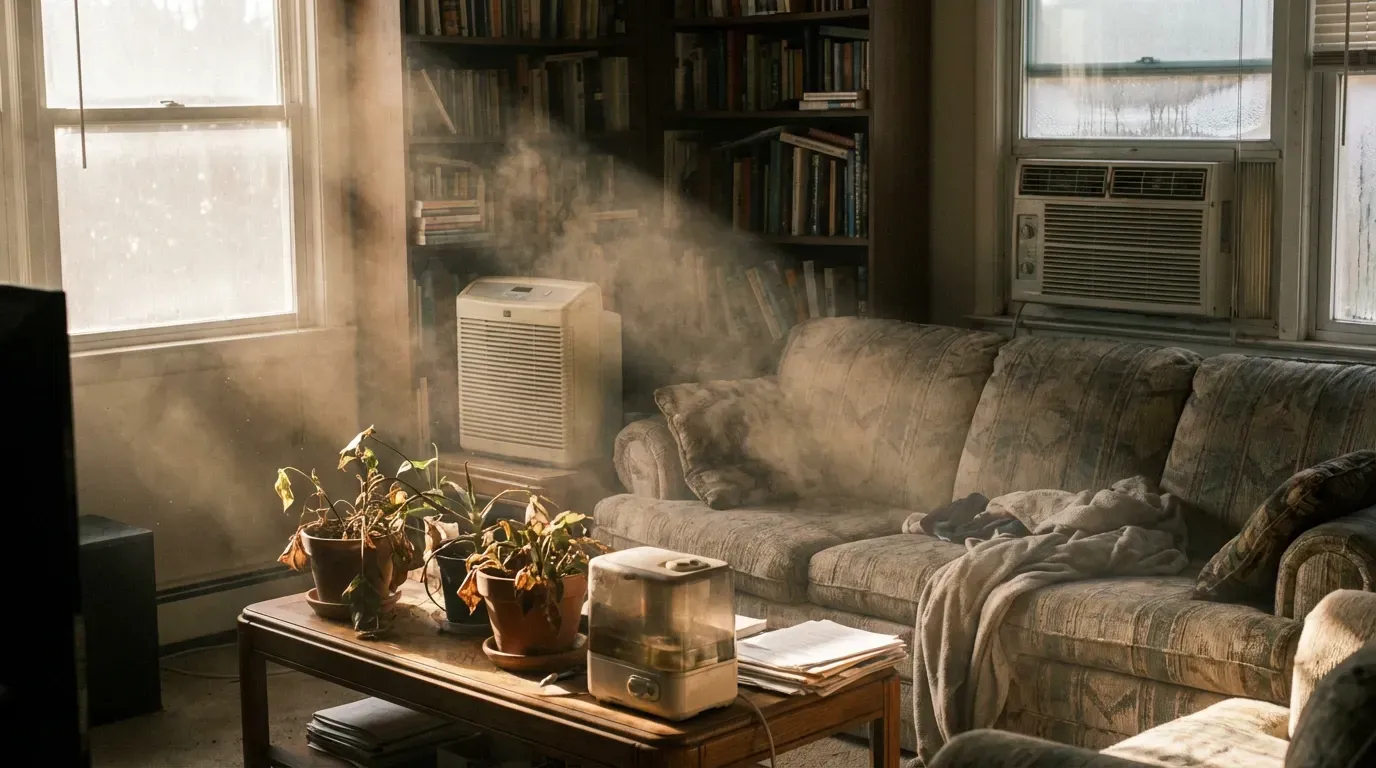
What It Means: You have a buildup of materials in your ductwork or furnace that shouldn’t be there. Some materials include mold, mildew, dirt, or debris.
Where It’s Coming From: Water leaking into the ducts from an external source, such as excessive moisture from humidifiers, rain/melting snow dripping into the exhaust stack, a clogged drain, or waterlines in the home near the ducts or furnace.
What To Do: Call your HVAC technician to get your ductwork looked at and cleaned.
Why It’s Important: Extra pollutants in the air can cause respiratory health issues. Additionally, excess water or buildup may enter the furnace, leading to malfunctions, costly component damage, or electrocution in extreme circumstances.
Long-lasting Burning Plastic Smell
Where It’s Coming From: The furnace is overheating or malfunctioning.
What It Means: On the first day of use of a new furnace, nothing. If longer than the first day, something is wrong.
What To Do: Call your HVAC technician to take a look and find out why it’s happening.
Final Thoughts About New Furnace Smells
It’s ok to have those new furnace smells for the first little while. Like anything new, there’s a short break-in period while the system adjusts and the parts begin working together. Due to the manufacturing process, packaging, and storage, certain elements and chemicals are used as part of the process. But, after running the new furnace for a few days to weeks, those smells will go away. Those are not dangerous, even if they’re a bit unexpected.
However, if you're smelling something different from the normal new furnace smells (burning or chemical odor, oil or burned dust scent, or hair dryer-like smell), call your HVAC technician immediately. Also, cutting corners and trying to install a new furnace yourself is a bad idea. There are too many things that can go wrong.
If you need a new furnace installed, inspected, or help with any home or small business heating and cooling needs, call Millard Heating and Cooling for professional HVAC service.