
How Often Should You Clean Your Air Ducts
How often should you clean your air ducts? The answer isn’t simply when it smells dirty. Unlike the visible cleaning chores in your home, like vacuuming, dusting, or scrubbing, air ducts are often forgotten. But these hidden areas need cleaning, too.
One quick reminder is when that musty or dusty smell engulfs your home once you turn on the heater or air conditioning. Other signs are seeing dust or other particles floating around the vents, and if allergies get really bad, once your HVAC system turns on.
This guide is written with over 25 years' worth of experience in cleaning air ducts in the greater Omaha area. From the many homes we’ve cleaned, it’s amazing how proper air duct maintenance can transform indoor air quality. You’ll learn in this guide what air ducts are, how often you should clean your ducts, signs that you need to get them cleaned now, and our final thoughts.
The Basics Of Air Duct Cleaning
To answer “how often should you clean your air ducts”, we’re going to explain the role of your duct system and why it’s important to keep it clean.
What Ducts Do For Your Home’s Air
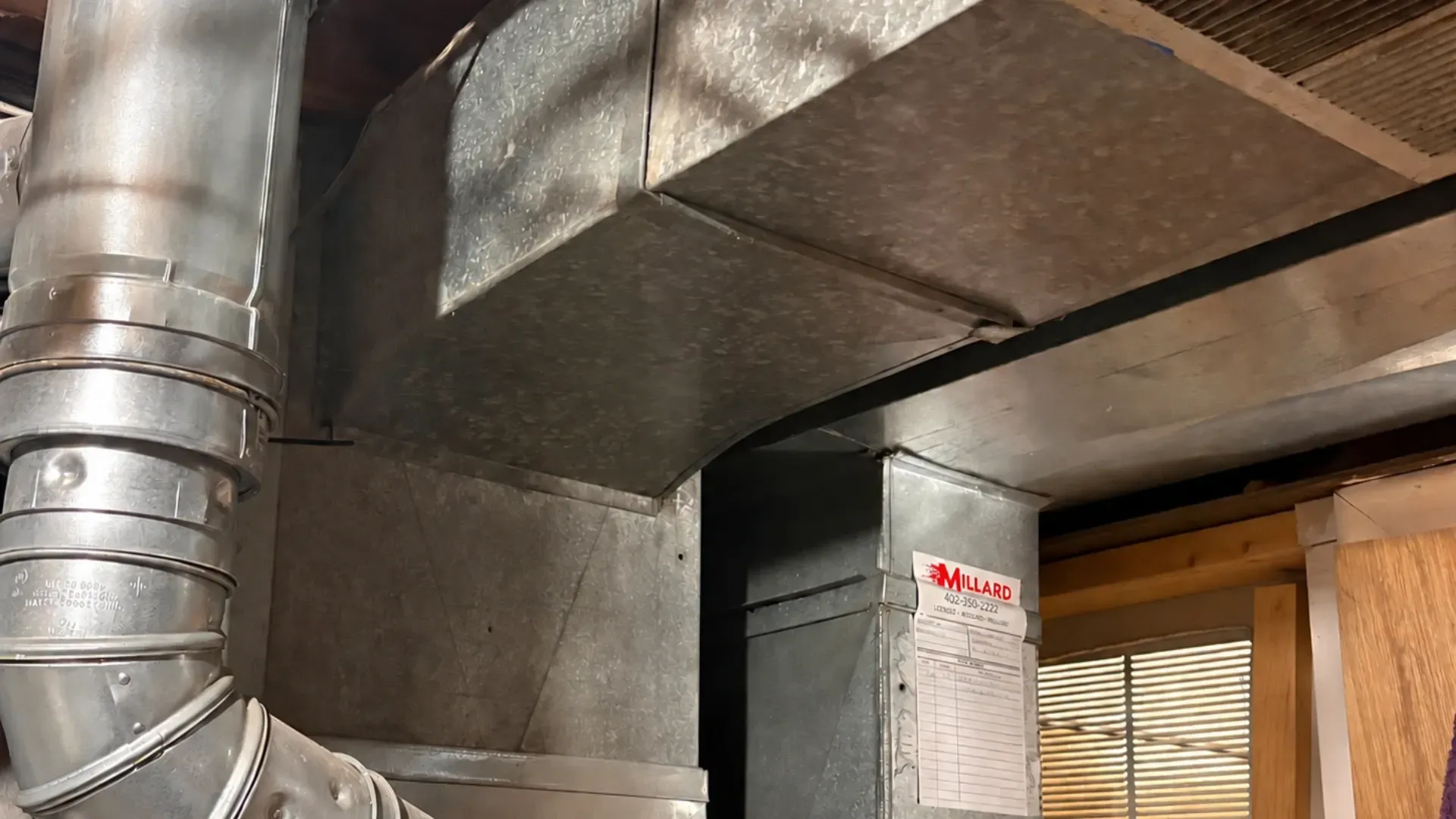
An easy analogy for your HVAC system would be to think of your home as a body. The HVAC unit is the heart, and the ducts are the veins. They deliver oxygen (or air) to the right places in the body (or, your home). Without any obstructions or buildup in those passages, the air flows smoothly and quickly. However, when impeded by debris or other materials, the entire system has to work harder and wears out more quickly.
Just like a person’s liver and kidneys filter out imperfections in the body, your HVAC system uses air filters to catch dust and other contaminants, but they’re not 100% perfect at trapping everything. So, naturally, there will be an eventual buildup in the ducts, and your system will have to work harder to get the home to the right temperature. More strain = shorter lifespan and more repair costs.
Common Contaminants in Your Ducts
So, if only air usually runs through the ducts, then what contaminants could get in there? Well, if you have kids, you’re well aware that they have and often do remove the vent covers and shove toys, crayons, paper, and almost anything they can get their hands on. Other than toddlers, the list of what can get in there may be surprising. Naturally, dead skin cells, or dust, are the most obvious ones, as any home that’s lived in has them.
Next on the list is pet dander. For those that don’t know, pet dander is the dead skin cells of animals and is the primary source of pet allergies. They can carry proteins from the animal’s drool, pee, and skin glands. So, if you have a pet, that’s in the air. Spring in Nebraska brings a lot of pollen, and fall brings a lot of dust as farmers till their crops and other plants dry up and crumble like leaves off a tree. Then, because of how humid it gets in the summer, mold spores can land and grow in the ducts if the ventilation is poor or there’s a lack of humidity control.
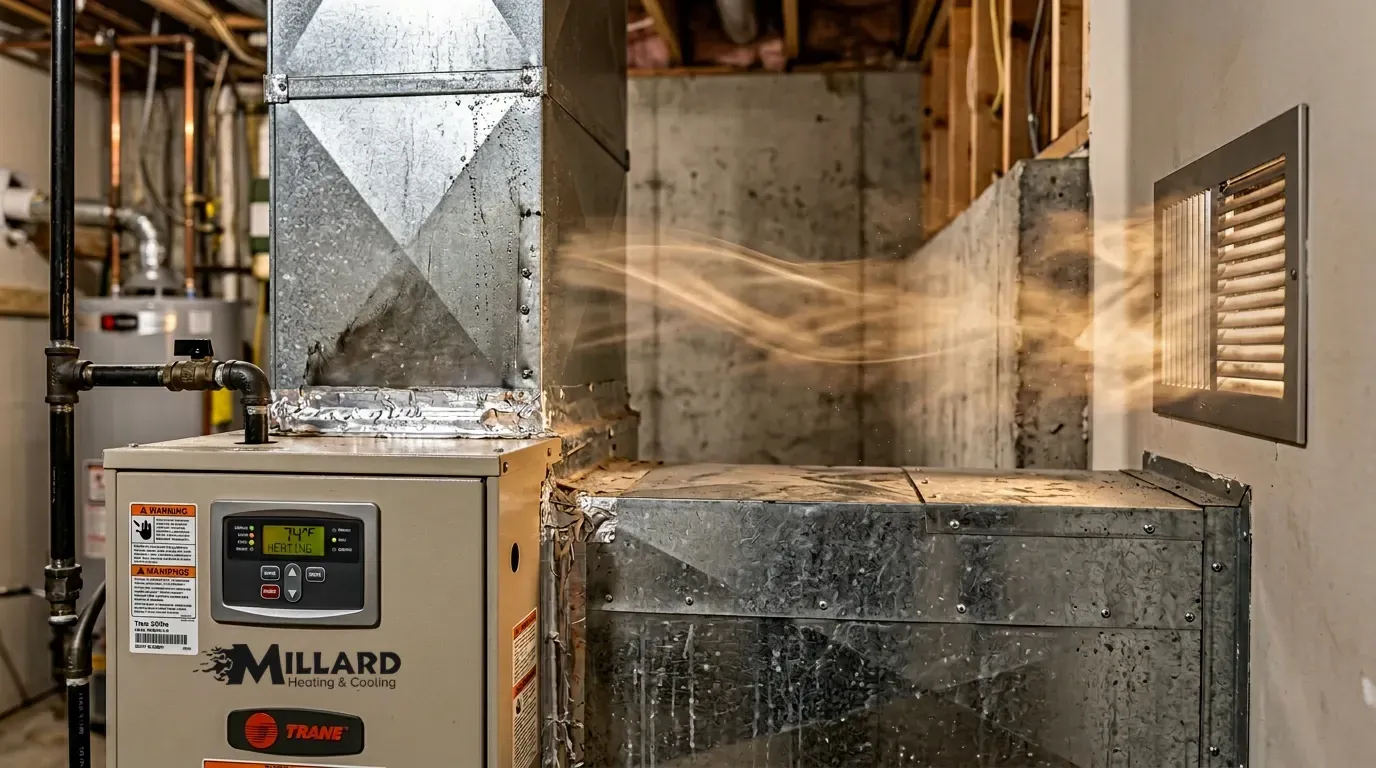
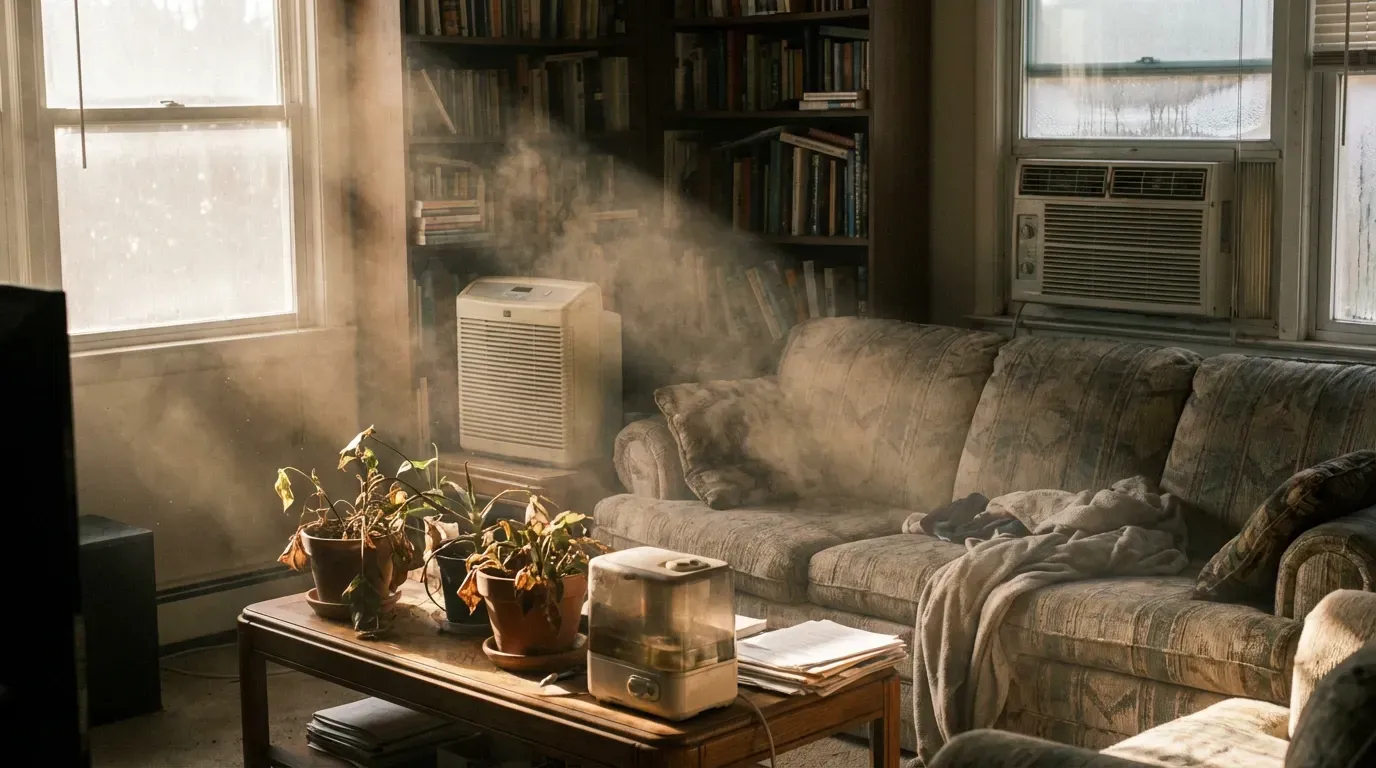
Dust, pet dander, pollen, and mold accumulate in ducts and recirculate with every HVAC cycle. These contaminants remain in the air you breathe, which may aggravate allergies, asthma, or respiratory issues, and even affect those without health concerns.
How Often Should You Clean Your Air Ducts?
Now that we know what the function of the air ducts is and some of the common irritants in the air (don’t forget cigarette smoke for those who smoke), let’s answer the question, “How often should you clean your air ducts?” Each home and situation is different, but we’ll first give you the general guidelines.
Recommended Cleaning Frequency
To help, the National Air Duct Cleaners Association (NADCA), formed in 1989, says that most homes need their entire HVAC system cleaned
every 4-5 years, which includes air ducts. Keep in mind that the recommendation is under normal conditions. What would not be considered normal conditions are pets, smokers, or ongoing construction in or near the home. So, if your home is normal under these parameters, every 4-5 years could be right for you.
Now, cleaning the entire system is more difficult and evasive, so getting at least the ducts clean is better than nothing at all. That being said, the
EPA’s recommendation is to clean your ducts whenever you see signs of mold, pest infestations, dust, or any other pollutant in the air. This is general advice and doesn’t apply to every home’s specific needs.
Some factors that reduce the time needed between duct cleaning include the number and type of pets, the number and health needs of the people living in the home, the environmental factors outside of the home, home improvements, and air filters.
Personalized Schedule Tips
So, how often should you clean your air ducts in your specific home? Here’s an easy list to go through to think about. If the recommendation is, let’s say, five years, then each of the factors below would hypothetically shorten the time between cleanings by six months to a year.
- Pets: for each short-haired pet or bird that doesn’t shed that often, consider reducing the gap by six months. If the pet sheds more frequently, consider cleaning at a minimum of every four years. Just like the drains in a shower, longer hair needs to be cleaned up more frequently than short hair. The number of pets you have also increases the cleaning frequency needed. Since fur and pet dander accumulate quickly in air ducts. If you have more than one pet, consider duct cleanings every 2-3 years.
- People: The more people that live in a home, the more dust and debris are created. People also bring in more dust from the outside, young kids can leave doors and windows open longer than intended, and overall, more particles are circulating in the air. The health needs of people with allergies, asthma, or other respiratory ailments should also be considered. If a person smokes, that increases the contaminants in the air. For families of four or more, consider cleaning your ducts every 3-4 years. If respiratory or smoking is involved, perhaps clean every 2-3 years.
- Environment: Before the rains come in the spring, and especially in the fall when things typically dry out, it gets dusty. Also, homes in new developments or near farmland also experienced increased dust and pollen. Humidity, especially in the spring to fall months in Nebraska, means your HVAC system is working with air that can grow mold. So, increasing cleaning frequency just due to the climate in and around Omaha is a good idea.
- Home Improvements: Renovations in the home can create an excessive amount of dust, especially when drywall (or sheetrock) is involved. Passageways and doors are left wide open, letting unfiltered air in and all the dust from activity outside. Even though wood, tile, drywall, and dumpsters are outside, the air has easy access inside.
- Air Filters: This is an easy one that homeowners constantly misunderstand or completely forget. The air filter is your duct’s main line of defense to catch airborne debris, dust, and contaminants. We recommend changing an air filter anytime it looks dirty, or every three months of use. Not doing this releases what’s caught and can promote buildup in your ducts.
So, those five factors above can reduce the time between cleanings in your ducts. If your home has pets, a larger family, is prone to a lot of dust, has recently had home improvements, and you don’t change your air filters, you may need a cleaning soon, if not now.
Signs Your Air Ducts Need Cleaning Now
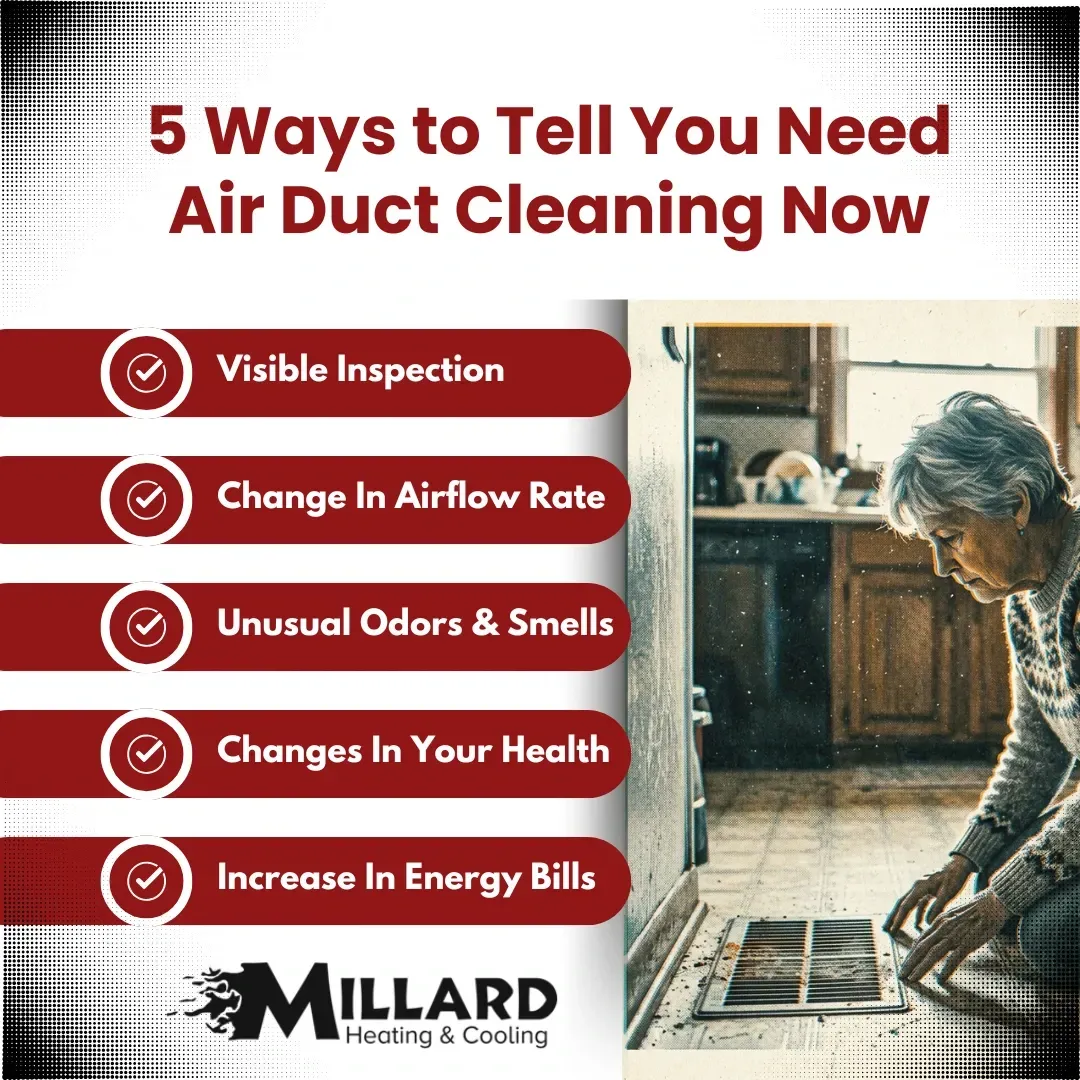
If you have all those factors above, we’d recommend getting a cleaning now. Other than those listed above, there are other things to look for to know if you need a cleaning as soon as possible. Here’s a personal checklist to go through.
Visible Inspection
Take a minute and look at your vents. Is there any dust or debris that has built up on or around the vent covers? Then, take off the vent covers and use either the flashlight on your phone or an actual flashlight and look into the ducts as far as you can to see if Airflowthere is anything stuck on or building up on the inside. If not, get them cleaned.
Airflow
When you walk into each room, do you notice a major shift in the temperature or how much air is flowing in the rooms? Naturally, larger rooms get the flow dispersed a bit faster, but there shouldn’t be a major change.
Odors
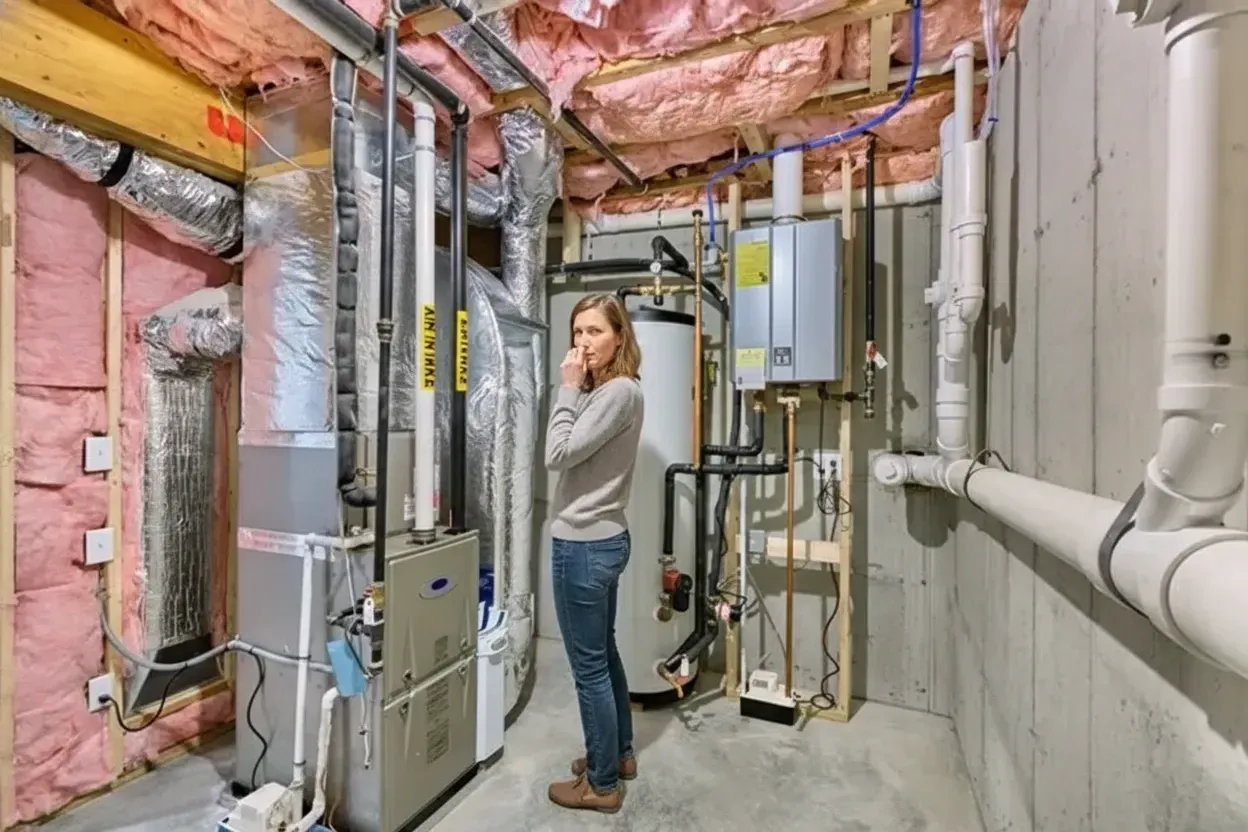
Your nose is fantastic at noticing changes. If you are noticing something wrong and smells are changing, that could be due to debris collecting and reacting with your HVAC unit. Note: If you just installed a new furnace, there are some smells that come with it. If you’re not sure, go outside for a few minutes, then re-enter your home to prevent nose blindness (when your nose no longer smells an odor because it’s always present). You can also ask friends or family when they visit if they smell anything that is off.
Your Health
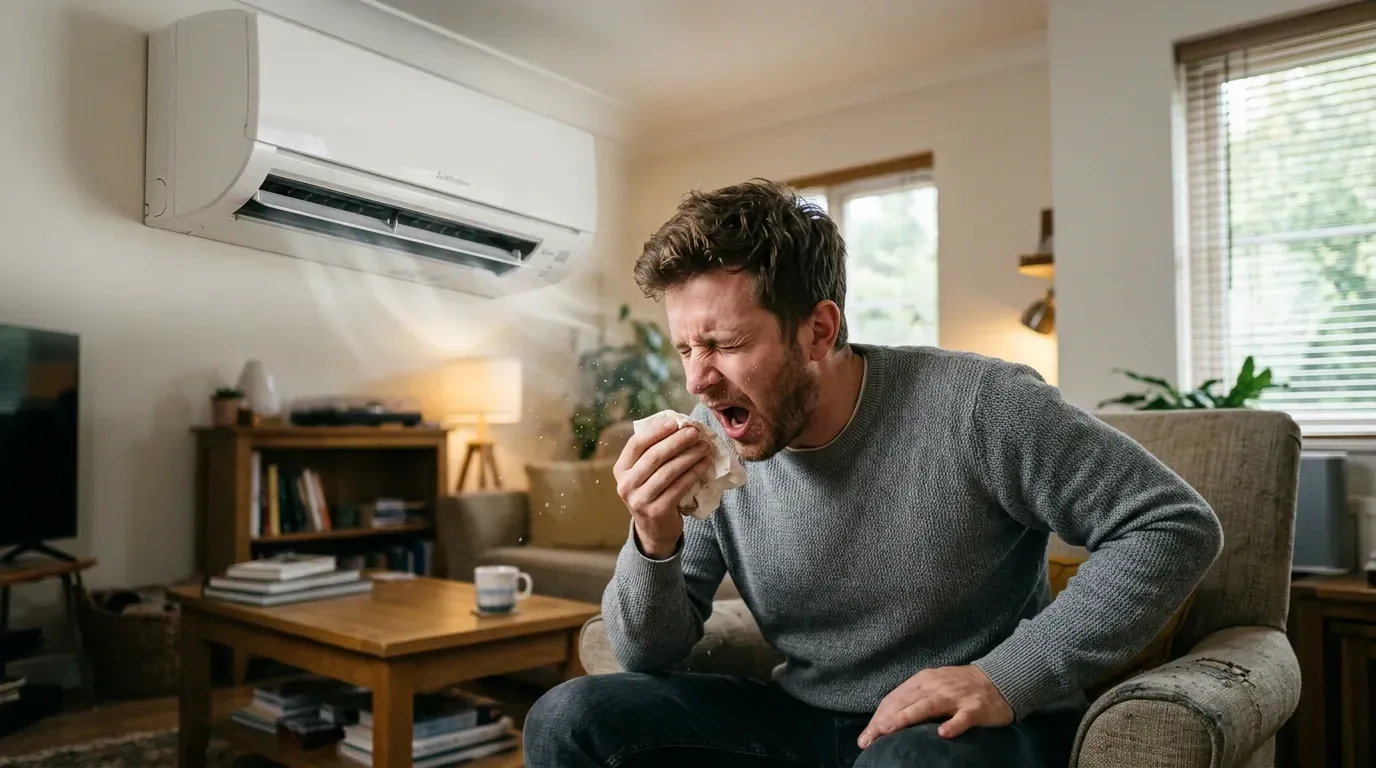
Listen to your body. If you are sneezing more than normal, your allergies get worse, or you are having a persistent cough, this can be from dirty air ducts and poor indoor air quality. One easy way to know is if you always feel ill when at home but feel better when you are outside, in another building, or someone else’s home.
Energy Bills
If you have buildup, debris, or mold reducing the air flow in your ducts, then your HVAC system has to work harder to either warm or cool your home. The harder it works, the more energy it needs. That energy comes from gas or electricity. So, if your bills have risen dramatically when the weather outside hasn’t changed much, your ducts could be clogged.
Keeping Your Air Ducts Clean
So, after all the information above, how often should you clean your air ducts? The short and sweet is about every three to five years for homes under normal conditions. If there are pets, bigger families, external environmental factors, home renovations, and dirty air filters, clean them more frequently. If you see buildup, airflow is down, something smells, your health declines, or energy bills have risen dramatically, get them cleaned soon.
If you’re ready to breathe easier, schedule a professional air duct inspection and cleaning with us today. As certified HVAC technicians here in the greater Omaha area, we can help you to breathe easier.