
Signs of Poor Indoor Air Quality In Omaha
If you’re like most people, you may not have the time or training to know the signs of poor indoor air quality. They’re easy to dismiss, especially during the winter when everyone is cooped up inside anyway. To start, do you constantly sneeze at home, but you have no other symptoms of a cold? Another question to ask yourself is if you’re constantly tired or sluggish at your work desk, but an outdoor walk makes you feel a lot better.
Many people with poor indoor air quality don’t know. For us, that comes as no surprise. We’ve seen how poor indoor air quality affects families, business owners, and employees in the greater Omaha metro. Since we spend about 90% of our time indoors (according to theEPA), the air we breathe has a huge impact on our overall health.
Another factor to consider is that, especially in Omaha, we experience major weather swings from the 70s and comfortable to below freezing in just a day. Due to dramatic temperature swings, our HVAC systems are under significant strain to maintain comfortable indoor climates. If that stress wears out your unit and it malfunctions, the air you breathe suffers in quality.
We’ve put together this guide to help you identify the warning signs of poor indoor air quality so you don’t have to keep guessing. We’ll explain what causes many air quality problems, the warning signs, and what you can do to fix them. By learning the symptoms, you can reduce the likelihood of serious health issues.
Why Should You Care About Indoor Air Quality?
To start, indoor air quality refers to the condition of the air you breathe inside your home, office, or other indoor spaces. The air we breathe includes many particles and parts, including but not limited to:
- Oxygen
- Dust
- Pollen
- Humidity
- Nitrogen
- Chemical fumes
- Carbon Dioxide
- Pet fur
Since we take over 20,000 breaths a day, it’s easy to forget about what is going into our lungs until we feel the warning signs that something is off. It’s easy to see dust through sunlight or smell something musty in the basement, but the extreme health risks are often overlooked or not noticed until the issue has been airborne for a while.
As the primary system responsible for air circulation and conditioning, your heating and cooling system plays a central role in controlling and improving indoor air quality. Every time your heater or air conditioner cycles, it’s either circulating fresh air or spreading pollutants indoors. This is why we always stress the importance of scheduled maintenance and proper ventilation.
To further emphasize the seriousness of poor indoor air quality, some
World Health Organization (WHO) experts believe that upwards of 30% of buildings may have excessive indoor air quality complaints. So, if one-third of the world’s indoor areas can have excessive air quality issues, chances are you’ve been in one of those buildings.
So, how can you tell if your building or home is one of those 30%? Some of the ways to protect yourself include recognizing and understanding:
- Physical signs of poor indoor air quality
- Mental signs of poor indoor air quality
- Red flags to look out for
- What you should do now to protect yourself
Physical Signs of Poor Indoor Air Quality
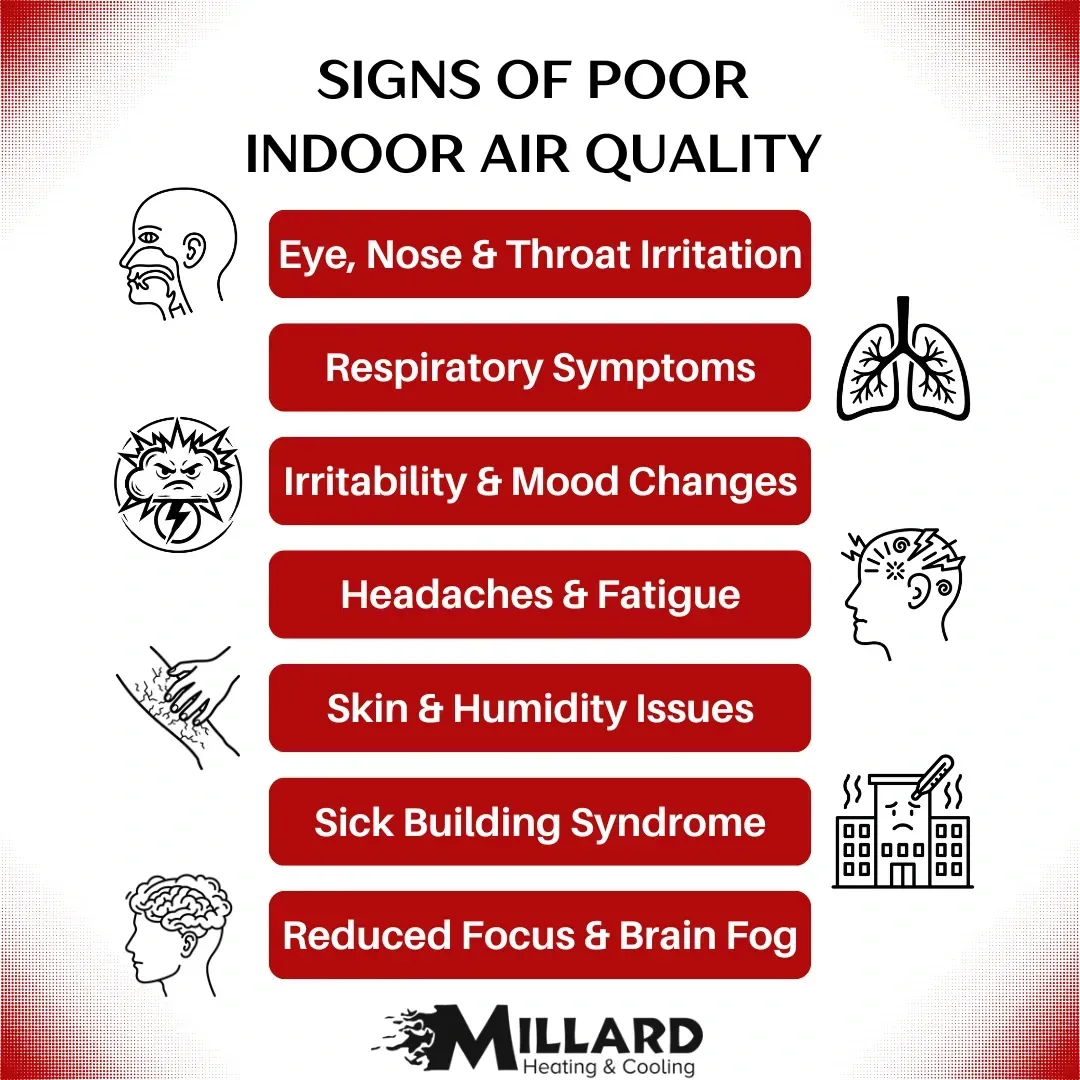
Respiratory Symptoms
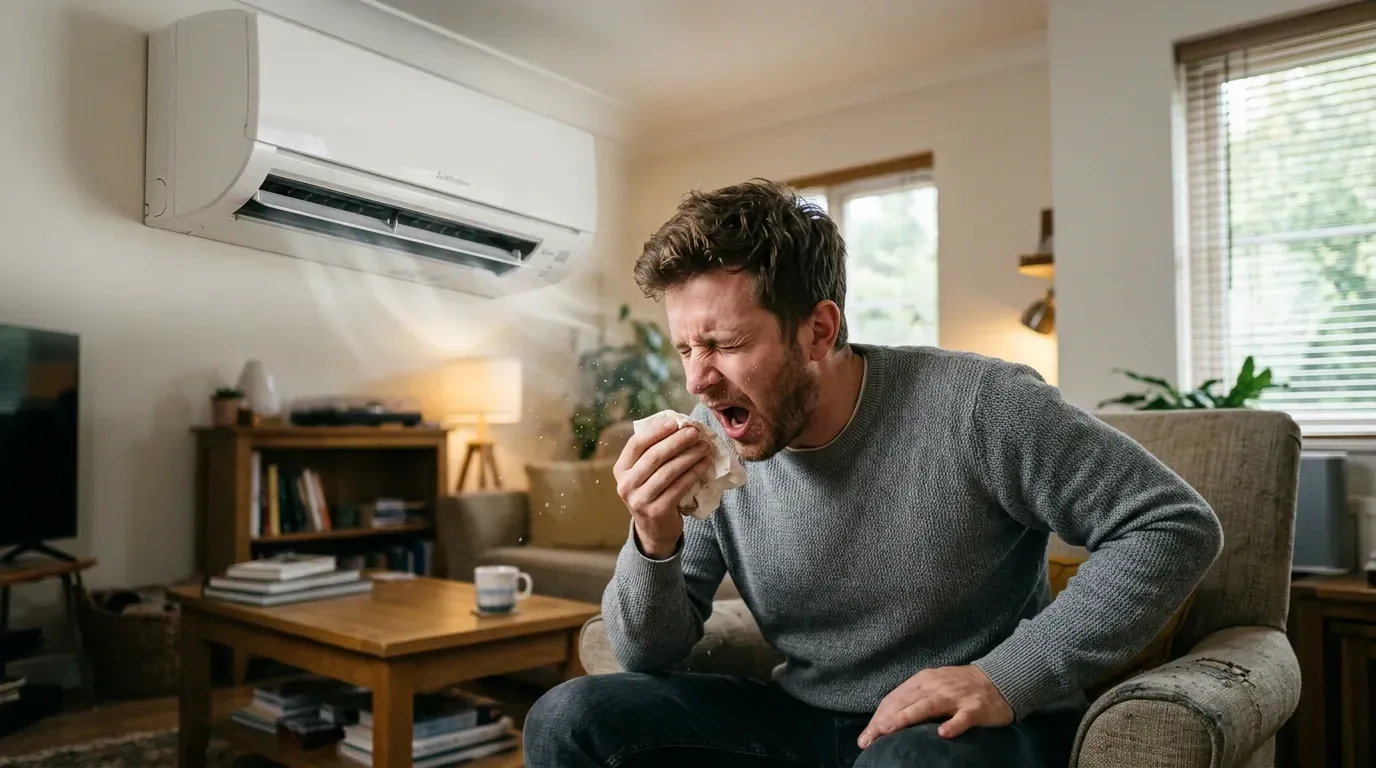
To get the air outside into your bloodstream, your body transfers the air through your nose or mouth to your lungs. If irritants or impurities are in the air, your body will naturally induce a reaction, including sneezing and coughing, to reject the bad air. So, if you’re sneezing and coughing without having other illness symptoms, that’s a red flag. You could also experience shortness of breath, a sore throat, or a dry cough.
Airborne impurities that can cause these symptoms include pollen, dust, mold spores, and pet dander. These should be removed through the air filter in your HVAC system. However, if there’s a malfunction or a dirty air filter, those irritants circulate unimpeded, and your lungs notice.
Eye, Nose & Throat Irritation
Other body parts that are sensitive to air quality conditions include your eyes, nose, and throat. Exposure to dry or impure air can cause your eyes to burn or water quickly. Irritants in the air cause your nose to stuff up or run as the mucus collects the irritants and wants you to sneeze them out. Your throat can also become dry and itchy.
While many environmental factors can cause stuffy noses, itchy eyes, and a sore throat, you can track how you feel indoors and outdoors and see if you feel different after getting fresh outdoor air.
Headaches & Fatigue
Headaches are a clear sign from your body that something is wrong. Getting them occasionally is normal. However, experiencing frequent headaches without constant extraneous exertion is not normal. If you also get a full night of rest and you’re still feeling sluggish, that can be a sign of poor indoor air quality. Also, look out for dizziness or being light-headed, and pay particular attention to feelings of nausea.
Specific factors that can cause those symptoms are high levels of carbon dioxide, or CO₂. If the CO₂ levels get too high, it can even be fatal. Levels can increase due to heavy breathing without being replaced with fresh outdoor air. Because having a tightly sealed home or office reduces energy bills, improperly working HVAC systems can cause CO₂ buildup.
Skin & Humidity-Related Issues
As temperatures drop outside, homes rely more on heated air indoors. When air is heated, the moisture naturally gets removed. Because of the lack of natural humidity, Omaha residents often complain about:
- Dry, itchy skin
- Static electricity shocks
- Dry eyes
- Worse eczema
- Psoriasis
When humidity drops below 30%, these symptoms often indicate poor indoor air quality, thoughproper humidity controlcan help reduce them.
Mental Signs of Poor Indoor Air Quality
Reduced Focus & Brain Fog
Proper oxygen flow helps the brain function optimally. In fact, your brain uses
20% of all the oxygen your body uses. Interestingly, oxygen levels in the air are commonly around the 20% mark as well. Reduced oxygen levels in the brain can make it harder to concentrate, cause memory problems, make it difficult to finish sentences, slow down work tasks, and make decision-making more difficult.
The indoor spaces people spend the most time in are homes, workplaces, and schools. The lack of oxygen in these spaces affects loved ones, students, teachers, and employees. These are the people who need to be operating at their peak cognitive level.
Irritability & Mood Changes
First, people may become irritable or experience mood changes for many reasons, such as watching their favorite sports team lose, receiving a bad grade, or natural hormonal changes. However, just like brain fog, not having clean air going to your brain has been linked to people feeling unusually cranky, getting mad at small inconveniences, reduced motivation, or feelings of being overwhelmed.
Being grumpy or on edge not only reduces your productivity, but it can also damage relationships and your overall life. Constantly being on edge isn’t healthy because that heightened level of awareness can exhaust the body more quickly.
Sick Building Syndrome (SBS)
Many people outside the HVAC or health fields may not be familiar with sick building syndrome. This term describes situations where people experience multiple symptoms indoors that improve or disappear when they leave the building. In other words, you feel sick inside, feel better outside, but get sick again inside.
In addition to the symptoms listed above, sick building syndrome (SBS) can also include sensitive skin, muscle pain, and odor sensitivity. Although sick building syndrome is more common in offices and schools, it can also affect homes. So what causes SBS? Poor ventilation, improper humidity levels, and a source of pollution.
It’s important to note that sick building syndrome isn’t an official disease like eczema, but a term used to describe symptoms caused by poor indoor air quality and signals that indoor conditions need improvement. The best way to improve those conditions is through a complete inspection by a licensed HVAC technician.
The Red Flags To Look For

Signs in Your Home
In your home, the signs of poor indoor air quality are easy to see.
First, look out for dust that accumulates quickly after the surface has been cleaned. Dust naturally occurs from dead skin cells, but takes time to accumulate.
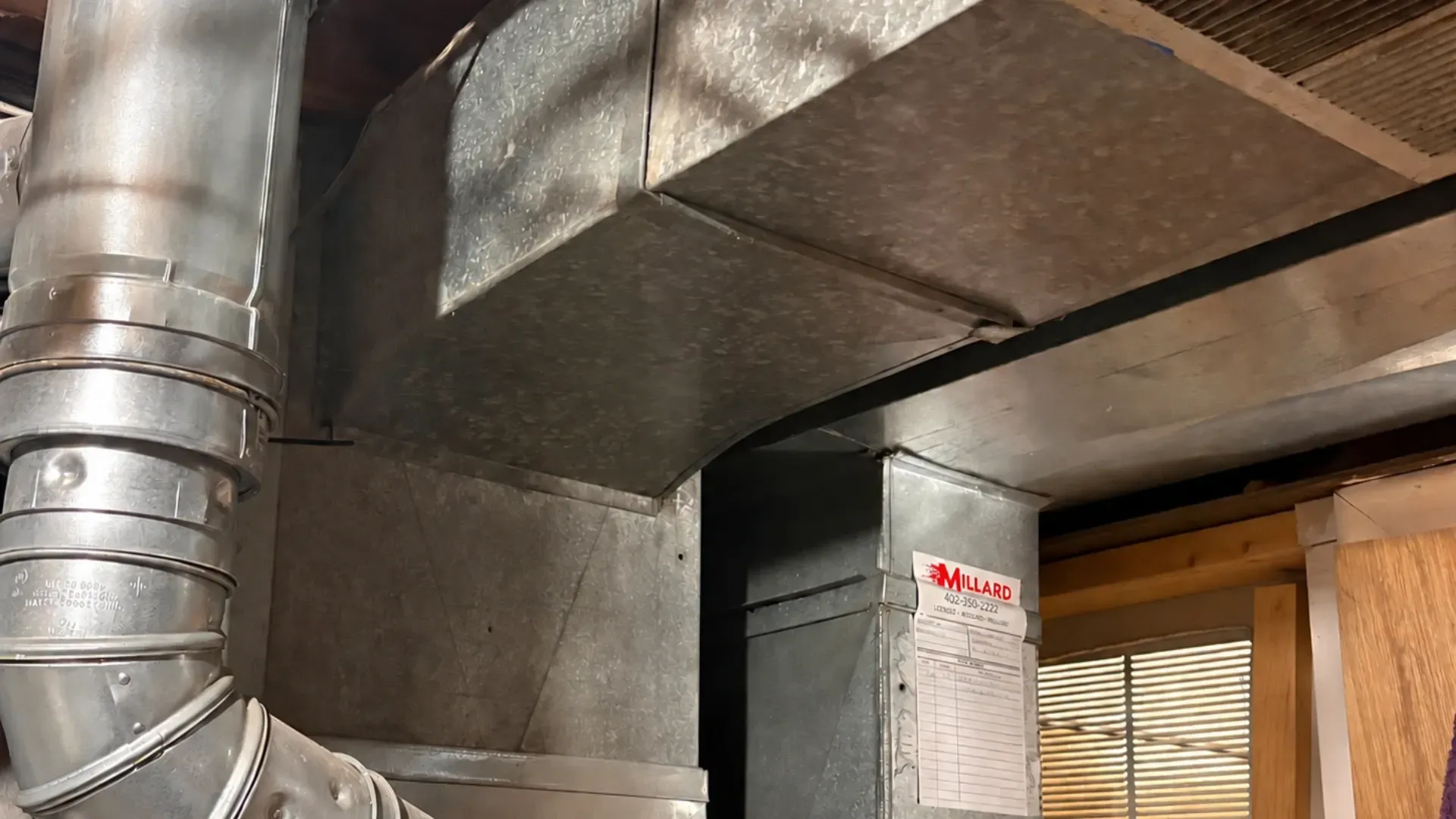
Second, check if there are rooms that are constantly colder or warmer than the average temperature of the home. That could indicate blocked ducts.
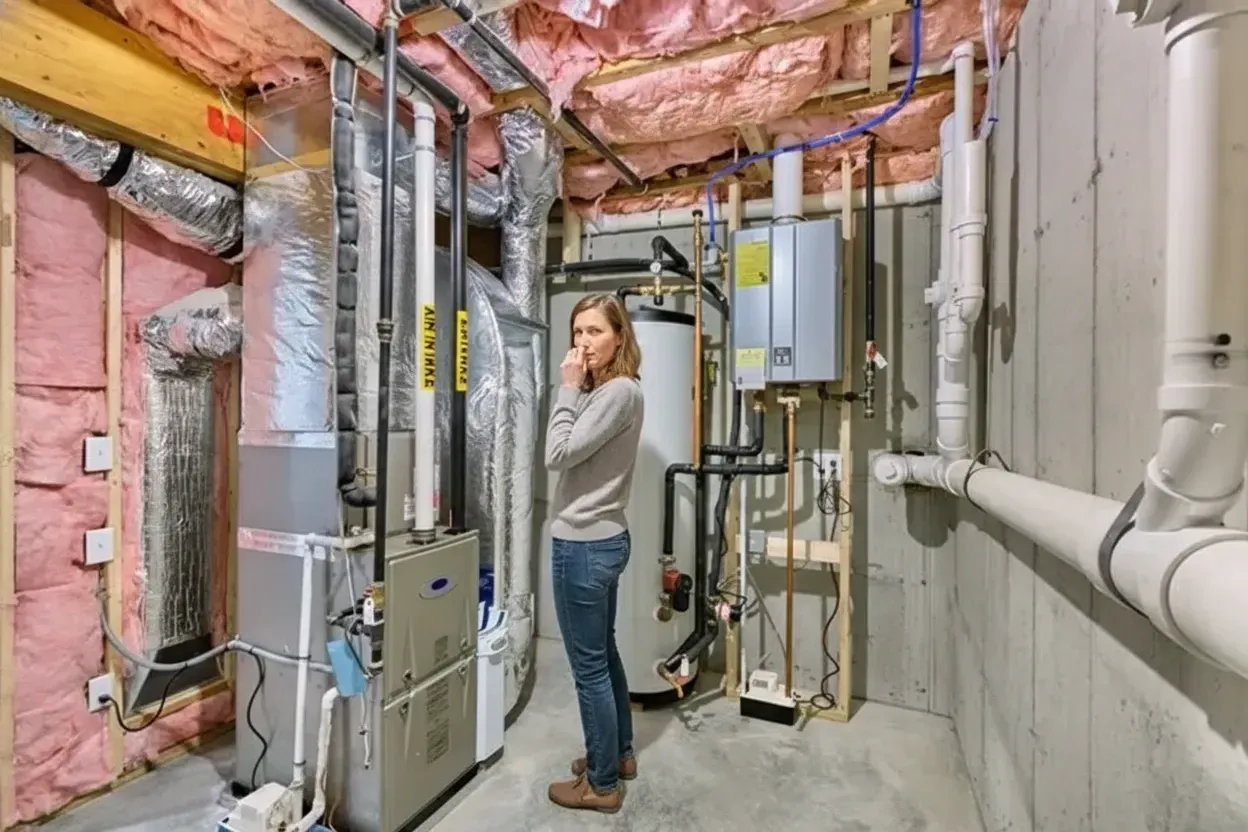
Third, be aware of musty or moldy odors coming from your vents. If this is happening, there is moisture in your home that shouldn’t be there.
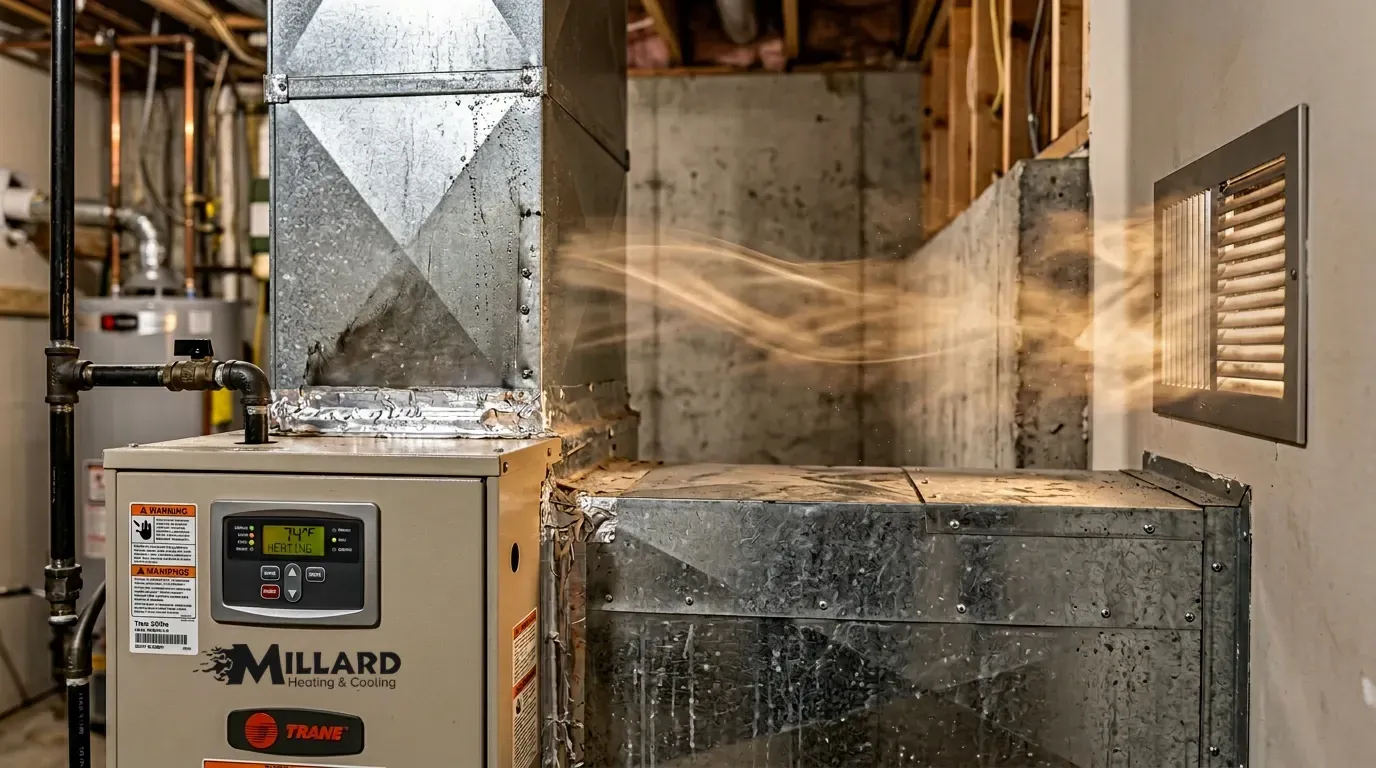
Fourth, look at your vents when your HVAC system is running to see if any dust is blowing out. Your air filter should be filtering the dust.
Fifth, check your windows for condensation, which may indicate poor ventilation, unsealed windows, or excessive indoor humidity.
Signs in Your Office or Business
Unlike homes, businesses have many more people to help you to know when things are going well, and when things are not. So, if multiple employees come to a boss and report feeling similar symptoms, leadership needs to take note. Signs of poor indoor air quality in the workplace include:
- When employees feel sick in a specific part of the building
- Symptoms go away on the weekends.
- The air smells stale despite professional cleanings.
- People keep asking to open the windows for fresh air.
- High turnover rates
- Increase in employee sick days.
- A reduction in productivity
If you don’t take care of your employees, expenses rise, and money earned from production falls.
What To Do If You See The Signs of Poor Indoor Air Quality
Preventative Measures
The best defense is a great offense. Don’t wait to see the signs of poor indoor air quality. Rather, take steps to prevent your air from getting to that point, such as:
- Change your air filter every one to three months.
- Schedule annual and regular HVAC maintenance.
- In Omaha, test for radon.
- Control the humidity levels.
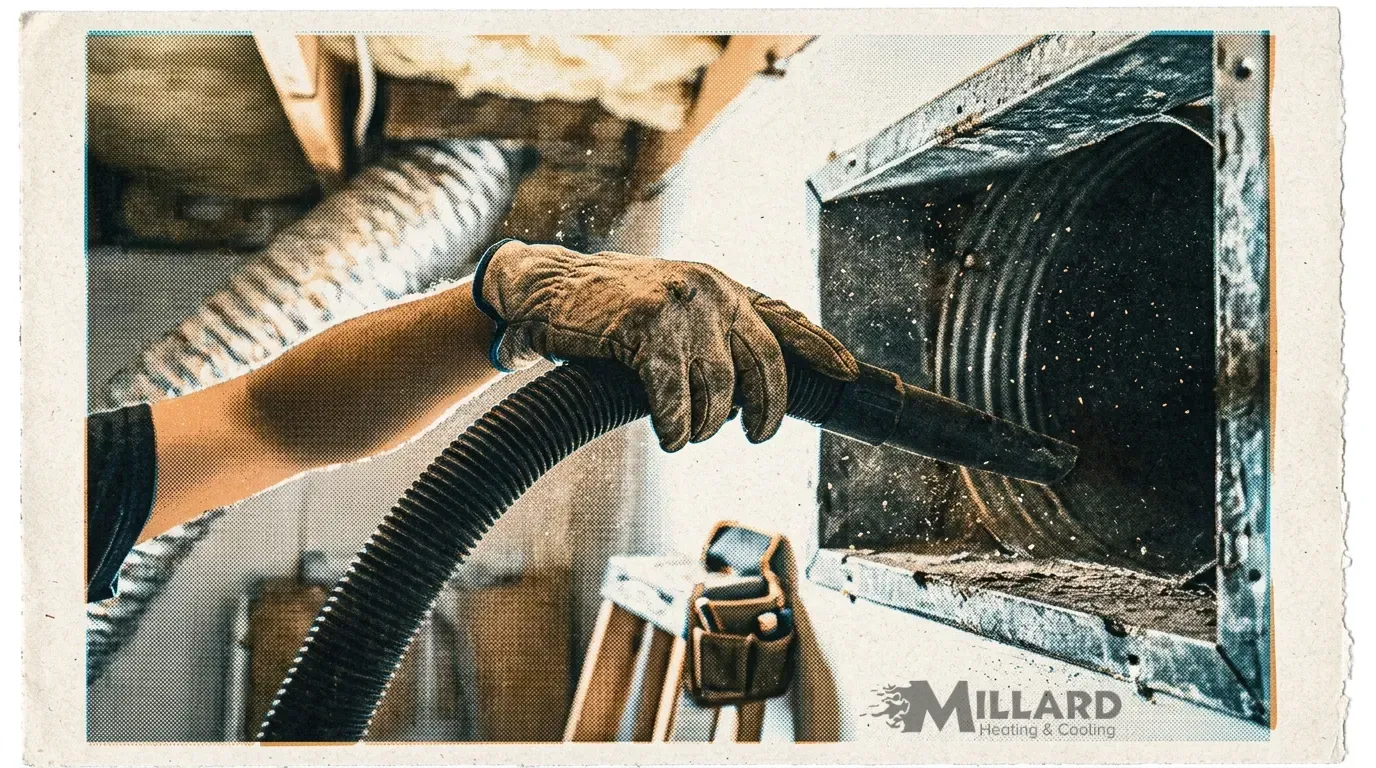
- Clean out your vents, ducts, and registers.
- Move obstructions away from vents and registers.
- Fix water leaks.
- Following building codes for exhaust fans in bathrooms and kitchens.
Conduct A Self-Assessment
You are responsible for your own health. A self-evaluation is one of the quickest ways to recognize the signs of poor indoor air quality. Go through the following checklist:
- When's the last time I changed my air filter?
- Are my vents dirty?
- Do I see or smell any mold or water stains?
- Does it feel too humid or dry?
- Are there any odd smells?
It’s a good rule of thumb to always track how you’re feeling and notice patterns. Also, paying attention to how coworkers or loved ones feel while visiting your home can help confirm or rule out your suspicions.
When to Call a Professional
So, having a periodic headache, smelling something off, or just having a few moments of brain fog can and do happen to everyone. However, if any of the red flags or symptoms above persist, it’s time to call a licensed HVAC professional to come and inspect your space. A locally-owned Omaha HVAC company not only understands what your home and office need, but is also able to respond quickly to any weather or climate changes.
Final Thoughts About The Signs Of Poor Indoor Air Quality
The signs of poor indoor air quality are not commonly discussed. However, having the right air in your home or office affects not only your health, but your productivity and quality of life. Because symptoms can have many different causes, it’s important to stay in tune with your body and pay attention to any patterns you notice.
We’ve not only created the guide above to help you know what symptoms and red flags to notice, but we are also able to come into your indoor space and check to see what the quality of your air is, what may be causing the poor indoor air quality, and steps to take to get it fixed.
IYou breathe about 20,000 times a day. Make sure every breath counts by contacting us for a free indoor air quality assessment.