
Guide to Controlling Home Humidity in Winter
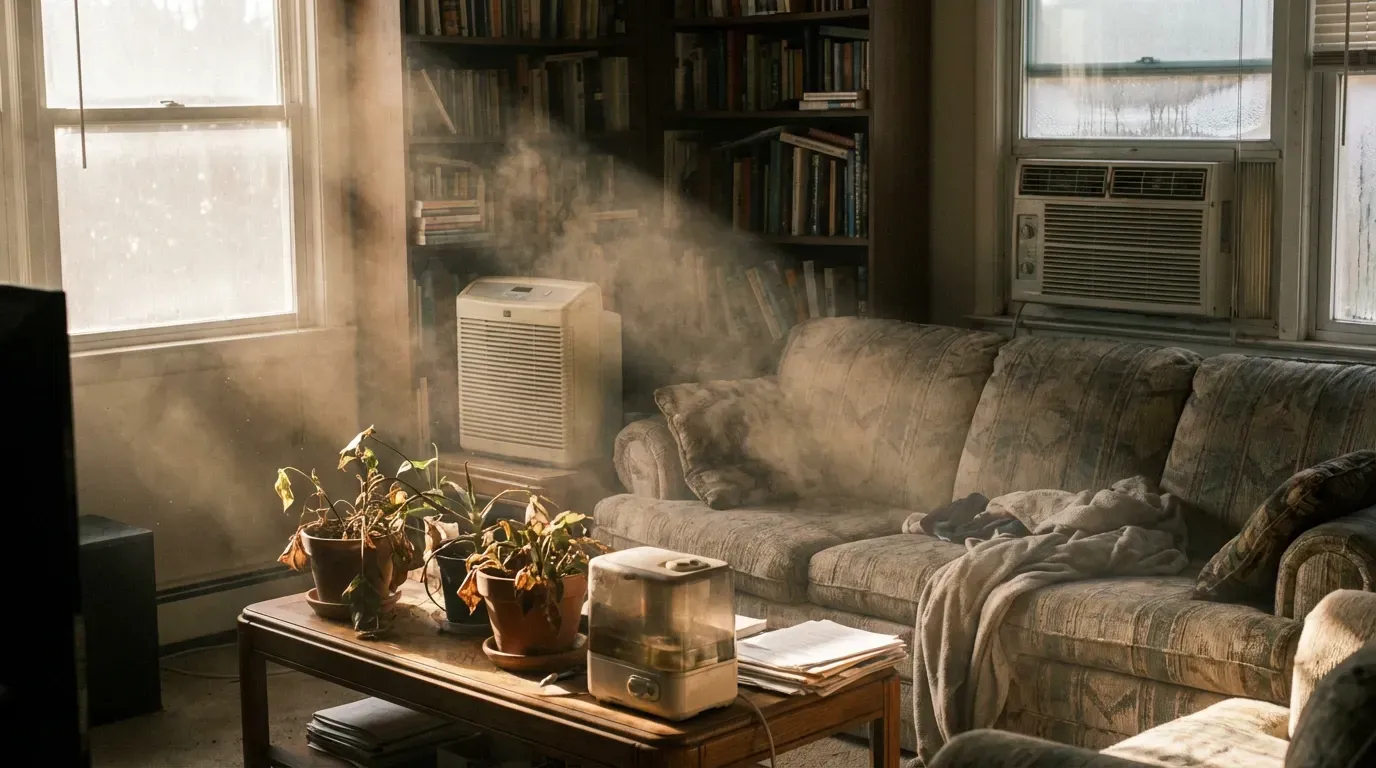
In addition to staying warm and sheltered from the cold, maintaining proper home humidity in winter plays a crucial role in maintaining comfort and health. Due to harsh Nebraska winters that can require furnaces to run nonstop, especially during winter vortexes, we’ve seen that indoor humidity isn’t necessarily a priority for homeowners. However, it is crucial for comfort, health, and protecting your home.
Why Home Humidity in Winter Matters More Than You Think
During the winter, furnaces run nonstop, warming the air to keep homeowners sheltered from the elements. But most people don’t realize that the warm air you’re paying to heat is unusually dry. Home humidity in winter is a balancing act between staying warm and avoiding dehumidification that can affect your family and your home’s structure.
Maintaining a healthy indoor humidity level promotes better respiratory health, helps protect wood furniture and flooring from damage, and also helps your HVAC system work more efficiently. Low humidity levels can lead to cracking wooden floors, respiratory illnesses, and an uncomfortable home.
Understanding Relative Humidity: The Science Made Simple
To start, homeowners need to understand what relative humidity, or RH, is. RH is the percent of moisture in the air compared to the total amount the air can hold, depending on the temperature. Warmer air is able to hold a lot more moisture, while colder air isn’t able to hold as much.
So, the percentages on the RH scale run from measuring bone dry air at 0% to air completely full of moisture, indicated by 100%. The reason this matters to Nebraska homeowners is that cold, winter air is naturally unable to hold moisture, so it is drier by default. When that cold, dry air goes through a furnace to warm a home, the air becomes even drier.
Because dry cold air is what most homes heat up, the air needs to be humidified to maintain a healthy RH level of between 40% - 60% as recommended by the CDC. Having the right humidity level will provide better health and comfort for you and your family.
The Ideal Humidity Range for Winter Months
Now that you know the ideal home humidity in the winter months is 40%-60%, the challenge is maintaining those levels, which is difficult to do. Older homes that lack modern air sealing often leak air, allowing humid indoor air to escape into the colder outdoor environment. Unless your home is newer with tight seals and modern HVAC systems, maintaining a humidity level above 40% could require a humidifier to consistantly run. However, old homes can have condensation when the air touches cold windows.
Although people have different comfort levels when it comes to humidity, we recommend purchasing an inexpensive hygrometer, or humidity gauge, to see what the moisture levels are in your home and to see what your comfort level is.
The Health and Home Dangers of Low Humidity

While different people have different comfort levels, there’s a reason why the CDC and others recommend specific indoor humidity levels, as your body has basic environmental needs to thrive. If humidity levels drop below 30%, both you and your home will start to show the effects.
Health Problems from Dry Air
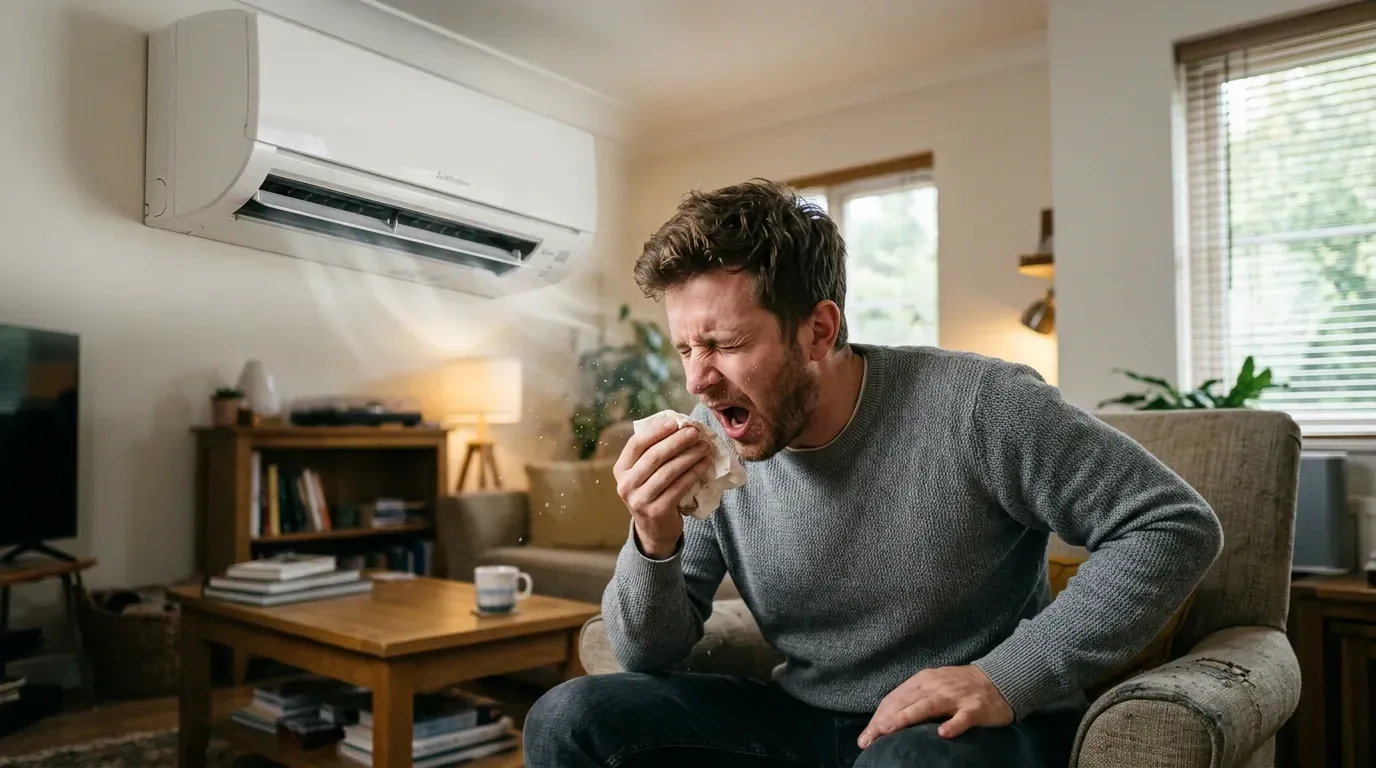
Often, being stuck indoors during cold winters with the furnace constantly running is associated with getting a dry and irritated nose and throat. Your respiratory system, including your nasal passages and throat, uses
moisture to trap viruses, bacteria, and other particles in the air that you breathe. Air that is too dry can lead to the following issues:
- Membranes in the nose and throat crack and dry.
- Flu, sinus infections, and the common cold
- Airways that become irritated
- Chapped lips
- Dry skin that cracks
- Frequent nosebleeds
- Persistent coughs
- Scratchy throat
- Dry uncomfortable eyes
There’s a reason that all these symptoms are associated with winter because most homes in Nebraska don’t maintain the right humidity level in their homes. Yes, everyone is stuck indoors getting less fresh air and sunlight, but humidity is also a major factor of health.
Property Damage from Insufficient Humidity
Not only can your physical health be affected, but your home can also feel the lack of moisture in the air. Given that most homes are made from a wooden structure, changes in humidity levels cause expansion and contraction. If the air in the home is too dry, some problems you could see include:
- Hardwood floors are cracking or developing gaps.
- The joints in wooden furniture are splitting or loosening.
- The window trim is separating from the walls.
- Gaps in door frames
- Paint on the walls is cracking.
- Artwork flaking or cracking
- Pages in books become more brittle.
Although these problems may seem superficial, having to replace or repair any of the items on the list above can become expensive or result in the loss of irreplaceable cherished goods.
Problems of High Humidity
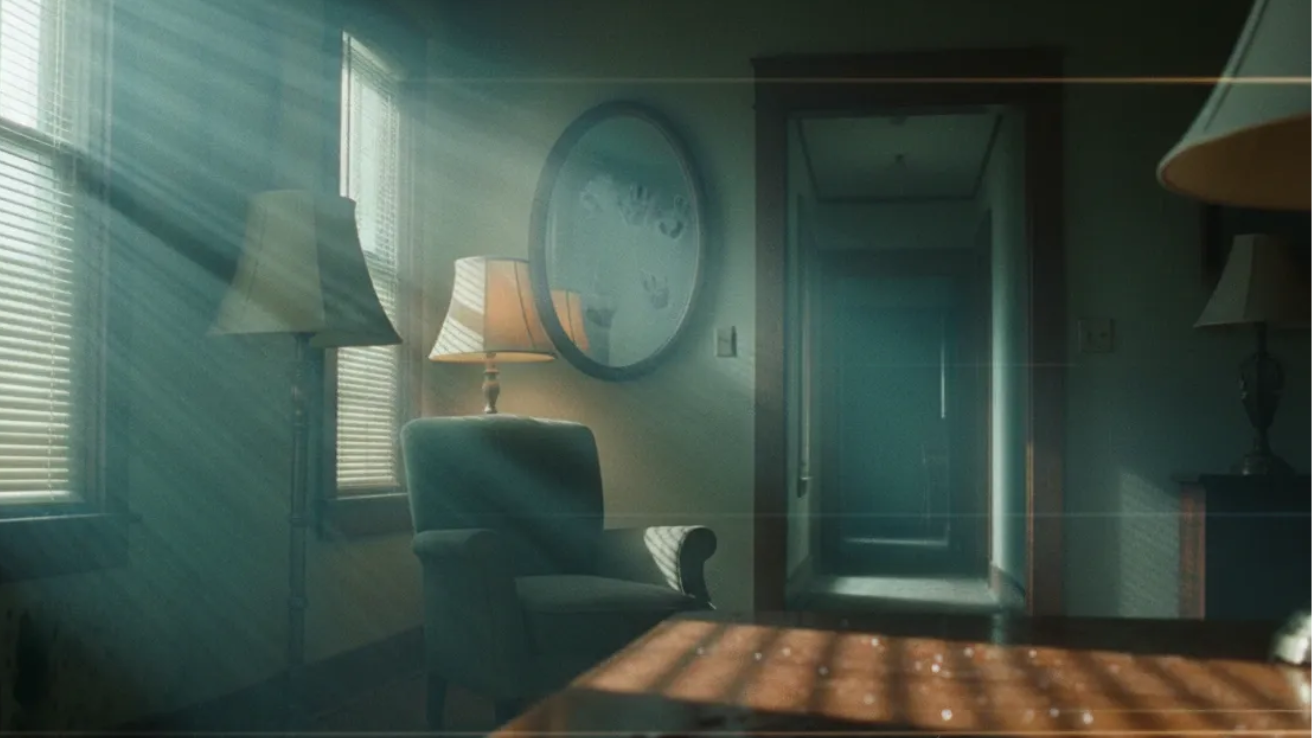
Now that we have a grasp on what too little moisture in the indoor air can cause, the other extreme can cause a completely different set of problems. Humidity levels above 50% provide an opportunity for new things to grow and thrive inside your home.
Health Risks from Excess Moisture
High levels of moisture in the air are perfect for growing allergens and pathogens:
- Mold and mildew can develop in walls, ceilings, and hard-to-reach spaces.
- Dust mites reproduce at high humidity levels.
- Increased bacterial growth
- Asthma attacks from mold spores
- Discomfort from saturated air
Property Damage from Too Much Humidity
Your home will feel the effects of too much moisture, causing expensive damage:
- Damage to electronics from water exposure
- Paint is loose on the walls.
- Mold is growing on the pages of books.
- Expansion in wood is causing doors not to close.
- Wood rot
- Window frame rot
- Dripping water from condensation on pipes
- Musty smell
If the humidity in your home is too high, that’s typically due to overuse of humidifiers, having humidifiers that are too big for the space, bad ventilation, leaking pipes, or water leaking into the home, all of which need to be addressed immediately.
When to Call an HVAC Professional
Knowing when to call in professional help takes some awareness on the homeowner’s part. First, try either reducing or increasing the use of humidifiers to alleviate the problems you’re experiencing. If that doesn’t work, check areas around doors and windows to ensure proper sealing and insulation.
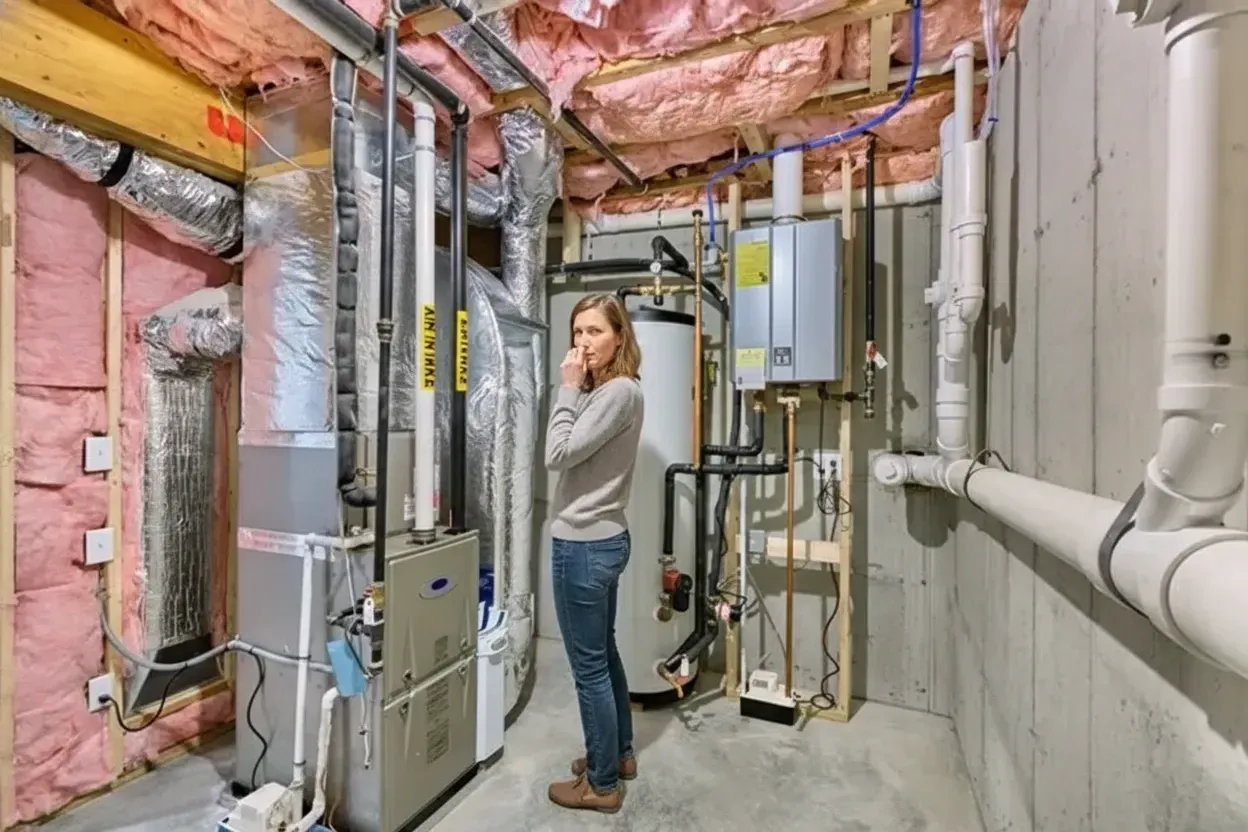
If problems continue despite your best efforts, there could be underlying issues. Hidden air leakage from your home or ductwork problems are real issues that need professional tools to find and fix.
HVAC experts can properly integrate humidifiers into your heating and air systems without jeopardizing system performance. Humidifiers that are too big or installed incorrectly can cause condensation, molding, and electrical failure.
For humidifiers to work correctly for your entire home, professionals need to assess your home to ensure the humid air is being distributed evenly. Assessments include complete home evaluations. Key factors during those evaluations include duct placement, HVAC system capacity, overall air sealing, and humidifier compatibility.
Additionally, having a licensed professional take a look around your home allows them to see into areas that you normally don’t access, and can find unknown leaks or problems.
Taking Control of Home Humidity in Winter
During the winter, it’s easy to be caught up in holiday celebrations, drinking hot cocoa, going sledding, or cuddling up in a warm blanket. Despite how great those things are, it’s important to remember to care for those in your home. Healthy indoor RH levels improve respiratory health and prevent physical damage to your possessions.
You can start monitoring your home’s humidity levels by purchasing a hygrometer and a personal humidifier. If the levels aren’t where you’d like to be or your entire home needs to have a more stable humidity level, our team at Millard Heating & Cooling can come evaluate your home and get your RH levels where they need to be. Take control of your home humidity in winter by scheduling a professional indoor air quality evaluation with us today.